 Boneless Beef Stew
  Hamburger Patties
  Chicken Wings (10)
  Ground Beef
 Category: Uncategorized

Grass-Fed Halal Meat: Why It’s the Healthiest Choice
Grass-fed halal meat has gained popularity in recent years due to its health benefits, ethical practices, and superior taste. Combining the natural diet of grass-fed animals with the principles of halal processing ensures a product that is not only healthier but also aligns with ethical and religious values. Here’s why grass-fed halal meat stands out as the healthiest choice:
1. Higher Nutritional Value
Grass-fed meat offers a superior nutritional profile compared to grain-fed meat:
Rich in Omega-3 Fatty Acids:
Grass-fed animals produce meat with higher levels of omega-3 fatty acids, which are essential for heart health, brain function, and reducing inflammation.
Lower in Saturated Fats:
Grass-fed meat contains less unhealthy fat while maintaining a healthy balance of fats.
Packed with Vitamins and Antioxidants:
Grass-fed meat is a rich source of vitamins A, E, and B12, as well as antioxidants like beta-carotene.
2. Ethically Raised and Slaughtered
The halal process emphasizes humane treatment of animals, and when combined with grass-fed practices, it ensures:
Better Animal Welfare:
Grass-fed animals are allowed to graze freely in natural pastures, leading to less stress and a healthier life.
Stress-Free Slaughtering:
Halal slaughter ensures minimal pain and suffering for the animal, adhering to ethical standards.
3. Free from Hormones and Antibiotics
Grass-fed halal meat is typically free from the additives often found in grain-fed meat:
No Hormonal Enhancements:
Grass-fed animals are not given growth hormones, making the meat more natural and healthier.
Antibiotic-Free:
The lack of antibiotics reduces the risk of antibiotic resistance and ensures a cleaner, safer product.
4. Lower Risk of Contaminants
No GMO Grains:
Grass-fed animals consume a natural diet, unlike grain-fed livestock that may eat genetically modified feed.
Reduced Risk of Diseases:
The natural lifestyle of grass-fed animals decreases the chances of diseases linked to intensive farming.
5. Supports Digestive Health
The natural diet of grass-fed animals ensures better gut health in the livestock, leading to:
Easier Digestibility:
Grass-fed meat is leaner and easier to digest compared to grain-fed alternatives.
Healthier Amino Acid Profile:
The natural grazing process leads to meat that is richer in essential amino acids.
6. Sustainable and Environmentally Friendly
Grass-fed farming is more sustainable than grain-fed operations:
Lower Carbon Footprint:
Grass-fed animals contribute to healthier ecosystems by grazing on natural pastures.
Regenerative Agriculture:
Grazing promotes soil health and biodiversity, making it a more eco-friendly choice.
7. Aligns with Religious and Ethical Values
For those observing halal dietary laws, grass-fed halal meat combines:
Spiritual Purity:
The halal process ensures the meat is permissible and pure, adhering to Islamic principles.
Health and Well-being:
The natural and ethical practices promote both physical and spiritual well-being.

Halal Meat for Athletes: Nutritional Benefits and Best Sources
1: Halal Meat for Athletes: Nutritional Benefits and Best Sources
Halal meat offers excellent nutritional value, making it an ideal choice for athletes who need high-quality protein and essential nutrients to support their physical performance and recovery. Here’s an in-depth look at the benefits and best sources of halal meat for athletes:
Nutritional Benefits of Halal Meat for Athletes
1.High-Quality Protein
Muscle Building and Repair: Halal meat provides complete proteins with all nine essential amino acids, crucial for muscle growth and recovery after workouts.
Lean Options: Cuts like chicken breast and lean beef are perfect for athletes focused on maintaining muscle mass while reducing fat intake.
2.Rich in Iron
Improved Oxygen Delivery: The heme iron in red meat (beef and lamb) boosts hemoglobin levels, enhancing oxygen transport to muscles and improving endurance.
Energy Boost: Adequate iron prevents fatigue and keeps energy levels high, essential for rigorous training sessions.
3.Zinc for Recovery
Immune Support: Zinc in halal meat helps repair tissues, supports immunity, and speeds up recovery.
Muscle Performance: Zinc plays a role in muscle contraction and performance.
4.B Vitamins
Energy Production: Halal meat, especially beef and lamb, is rich in B vitamins (B12, B6, and niacin), which are essential for converting food into energy.
Nervous System Health: Vitamin B12 supports nervous system function, helping athletes maintain focus and coordination.
5.Omega-3 Fatty Acids
Found in grass-fed halal meats, omega-3s reduce inflammation, promote joint health, and aid in recovery.
6.Ethical and Hygienic Standards
The halal process ensures clean, high-quality meat free from blood and contaminants, reducing the risk of foodborne illnesses.
Best Sources of Halal Meat for Athletes
1.Chicken
Best Cuts: Chicken breast is low in fat and high in protein, making it a staple for athletes.
Use: Grilled or roasted chicken is ideal for meal prep.
2.Beef
Best Cuts: Lean cuts like sirloin or tenderloin offer protein without excessive fat.
Use: Perfect for steak or stir-fry recipes.
3.Lamb
Best Cuts: Lamb chops or leg of lamb provide iron and zinc.
Use: Great for slow-cooked meals or as kebabs.
4.Goat Meat
Low in Fat: Goat is leaner than beef or lamb but rich in protein and iron.
Use: Perfect for stews and curries.
5.Organ Meats (Liver, Heart)
Nutritional Powerhouse: High in iron, B vitamins, and essential minerals
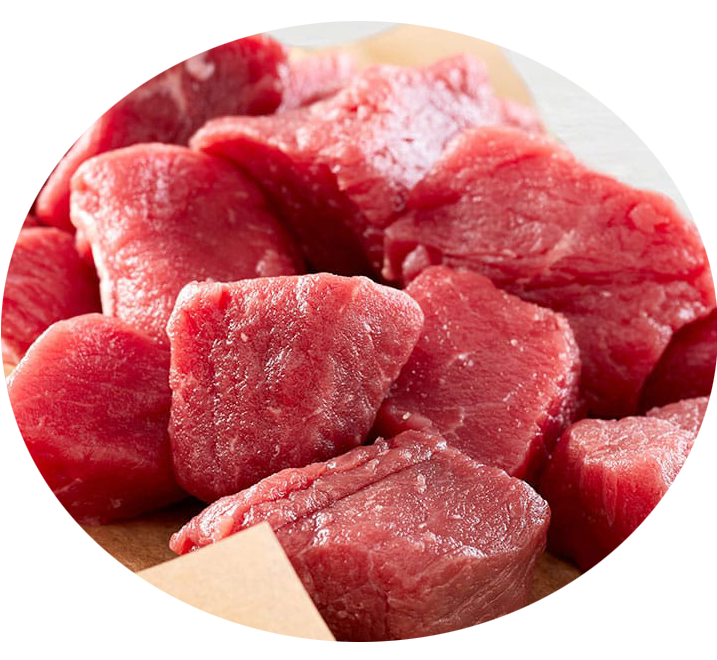
Exploring Different Cuts of Halal Beef and How to Cook Them
Halal beef is prepared according to Islamic dietary laws, ensuring the animal is treated humanely and the meat is pure for consumption. When cooking halal beef, knowing the different cuts and their best cooking methods can elevate your dishes. Below is a guide to common halal beef cuts and how to prepare them.
1. Ribeye (Prime Rib or Rib Roast)
Characteristics: Marbled, tender, and flavorful.
Best Cooking Methods:
Grilling or Pan-searing: Ribeye steaks are ideal for high-heat cooking to create a caramelized crust while keeping the interior juicy.
Roasting: For a rib roast, slow-cook in the oven with herbs and spices to enhance its natural flavor.
Tips: Allow the meat to rest after cooking to retain its juices.
2. Tenderloin (Filet Mignon)
Characteristics: The most tender cut, with a buttery texture and mild flavor.
Best Cooking Methods:
Grilling or Broiling: Cook quickly over high heat to medium-rare or medium for the best texture.
Pan-searing: Add a butter baste with garlic and herbs for added flavor.
Tips: Do not overcook, as this cut can become dry.
3. Sirloin (Top and Bottom Sirloin)
Characteristics: Leaner than ribeye but still tender and flavorful.
Best Cooking Methods:
Grilling or Stir-frying: Thin slices work well in stir-fries or kabobs.
Roasting: Bottom sirloin is perfect for roasts or ground beef.
Tips: Marinate sirloin to tenderize and enhance its flavor.
4. Brisket
Characteristics: Tough and fibrous with rich flavor, ideal for slow cooking.
Best Cooking Methods:
Braised: Cook low and slow in a flavorful liquid for tender results.
Smoked: Brisket is perfect for barbecue when smoked for several hours.
Tips: Slice against the grain to maximize tenderness.
5. Chuck (Shoulder or Chuck Roast)
Characteristics: A flavorful, affordable cut with marbling that becomes tender when cooked slowly.
Best Cooking Methods:
Slow-cooking or Braising: Perfect for stews, pot roasts, or curries.
Ground: Often used for burgers or meatballs due to its fat content.
Tips: Cook chuck cuts with liquid to prevent them from drying out.
6. Short Ribs
Characteristics: Rich and meaty, short ribs are known for their deep flavor.
Best Cooking Methods:
Braised or Slow-cooked: Perfect for hearty dishes like stews or glazed ribs.
Grilled: Korean-style short ribs (cut thin) can be marinated and quickly grilled.
Tips: The connective tissue in short ribs requires slow cooking for the best results.
7. Flank Steak
Characteristics: A lean, long cut with pronounced grain.
Best Cooking Methods:
Grilled: Cook quickly to medium-rare and slice thinly against the grain.
Stir-fried: Works well in Asian-style dishes when cut into thin strips.
Tips: Marinate to tenderize and enhance its flavor.
8. Ground Beef
Characteristics: Versatile and easy to cook, made from various cuts.
Best Cooking Methods:
Pan-frying: Use for patties, tacos, or kebabs.
Simmering: Ideal for sauces like Bolognese or curries.
Tips: Choose ground beef with 15-20% fat for the best balance of flavor and texture.
9. Shank (Leg)
Characteristics: Tough but flavorful, with a high amount of collagen.
Best Cooking Methods:
Braising or Slow-cooking: Perfect for soups, stews, and bone-in dishes like osso buco.
Pressure Cooking: Speeds up the tenderization process.
Tips: Use the marrow from shank bones to enrich broths.
10. Oxtail
Characteristics: Fatty and gelatinous, with rich, beefy flavor.
Best Cooking Methods:
Braised or Stewed: Cooked slowly to break down the connective tissue.
Soups: Adds depth to hearty soups and stews.
Tips: Skim excess fat during cooking for a cleaner dish.
Cooking Tips for Halal Beef:
1.Marination: For leaner cuts like flank or sirloin, marinating with acidic ingredients (e.g., lemon juice or yogurt) helps tenderize.
2.Seasoning: Use spices like cumin, coriander, turmeric, or cinnamon to create dishes inspired by Middle Eastern or South Asian flavors.
3. Resting the Meat: Always let cooked beef rest for 5–10 minutes before slicing to retain its juices.
4.Halal Certification: Ensure your beef is certified halal from a trusted source for authenticity.
Whether you’re grilling ribeye, slow-cooking brisket, or stir-frying flank steak, understanding each cut’s unique qualities will help you create delicious halal meals.

Halal Meat in the USA: Everything You Need to Know
Halal meat in the USA is increasingly accessible due to a growing demand from Muslim communities and others seeking ethical and high-quality meat products. Here’s an overview of what you need to know about halal meat, including its significance, sourcing, availability, and regulations.
What Is Halal Meat?
Halal meat is meat that adheres to Islamic dietary laws outlined in the Quran and Hadith. The term halal means “permissible” in Arabic. Key requirements for halal meat include:
1.Permissible Animals:
Only specific animals, such as cows, sheep, goats, chickens, and some seafood, are halal.
Pork, carnivorous animals, and blood are strictly prohibited.
2.Slaughter Process (Dhabihah):
The animal must be healthy and alive at the time of slaughter.
A Muslim must perform the slaughter, reciting the phrase “Bismillah, Allahu Akbar” (In the name of Allah, Allah is the Greatest).
The throat, windpipe, and blood vessels must be swiftly cut to ensure minimal suffering and allow complete blood drainage.
3.Post-Slaughter Rules:
The meat must be free of cross-contamination with non-halal products.
Additional processing must also comply with halal standards.
Halal Certification in the USA
To ensure meat meets halal standards, certification is provided by reputable organizations. Look for logos from these certifiers:
Islamic Food and Nutrition Council of America (IFANCA)
Halal Food Authority (HFA)
Halal Advocates of America
American Halal Foundation (AHF)
Certified halal meat often bears a symbol on the packaging, ensuring compliance with Islamic guidelines.
Where to Buy Halal Meat in the USA
Halal meat is widely available across the U.S. through various outlets:
1.Halal Butcher Shops:
These specialized shops provide fresh, hand-slaughtered halal meat and often offer a wide range of cuts.
2.Supermarkets:
Many mainstream grocery chains, including Walmart, Whole Foods, and Costco, have halal sections with pre-packaged products.
3.Halal Grocery Stores:
Stores catering to Middle Eastern, South Asian, and African communities often carry halal-certified meat.
4.Online Halal Retailers:
Websites like HalalWorldDepot, Boxed Halal, and Zabihah.com deliver halal meat to your doorstep.
Types of Halal Meat Available
Fresh Cuts: Beef, lamb, goat, chicken, and turkey.
Processed Meat: Sausages, burgers, and deli slices.
Frozen Meat: Pre-cooked halal meals and frozen cuts.
Exotic Meat: Venison, quail, and other specialty meats, available at select halal suppliers.
Ethical and Health Benefits of Halal Meat
1.Animal Welfare: Halal practices emphasize humane treatment and minimizing suffering during slaughter.
2.Cleanliness: Draining the blood ensures a cleaner, safer product.
3.Natural Diet: Halal animals are often raised on natural diets, avoiding non-halal feed or additives.
Challenges in Halal Meat in the USA
1.Stunning Controversy:
In the U.S., stunning is commonly used before slaughter due to federal regulations. Some scholars permit stunning if it doesn’t kill the animal, but others consider it non-compliant with Islamic law.
2.Cross-Contamination:
Halal meat must be processed separately from non-halal products, which isn’t always guaranteed in shared facilities.
3.Certification Variability:
Different certifying bodies may have slightly varying standards, causing confusion for consumers.
Halal Restaurants in the USA
If you’re dining out, halal options are increasingly available, especially in urban areas. Apps and websites like Zabihah.com help locate halal-certified restaurants near you.
Tips for Purchasing Halal Meat
1.Check the Label: Look for “halal-certified” symbols on the packaging.
2.Ask Questions: If buying from a butcher or supermarket, confirm the source and slaughter process.
3.Support Local Halal Businesses: Independent butchers often provide fresh, high-quality halal meat.
With halal meat becoming more accessible, consumers in the U.S. have ample options to meet their dietary and ethical needs. If you’d like guidance on specific halal meat products or recipes, feel free to ask!

How to Store Halal Meat Properly: Tips for Freshness and Flavor
Storing halal meat properly is crucial to maintain its freshness, flavor, and safety. By following these guidelines, you can ensure the meat stays delicious and wholesome for cooking.
1. Storing Halal Meat in the Refrigerator
Refrigeration is suitable for short-term storage.
•Temperature: Maintain the refrigerator at 32–40°F (0–4°C).
•Packaging:
•If unopened, keep the meat in its original halal-certified packaging.
•For freshly purchased or opened meat, wrap tightly in plastic wrap or place it in an airtight container to prevent moisture loss and contamination.
•Placement: Store on the bottom shelf to prevent juices from dripping onto other foods.
•Storage Duration:
•Raw chicken: 1–2 days.
•Raw beef, lamb, or goat: 3–5 days.
•Cooked meat: 3–4 days.
2. Freezing Halal Meat for Long-Term Storage
Freezing is the best option for storing meat beyond a few days.
•Temperature: Set your freezer to 0°F (-18°C) or lower.
•Packaging:
•Use freezer-safe bags or vacuum-sealed packaging to prevent freezer burn.
•Wrap the meat in aluminum foil or plastic wrap before placing it in the freezer bag for extra protection.
•Labeling: Write the type of meat and freezing date on the package for easy tracking.
•Storage Duration:
•Ground meat: Up to 4 months.
•Whole cuts (beef, lamb, goat): Up to 12 months.
•Poultry: Up to 9 months.
3. Safe Thawing Methods
Thawing meat properly is essential to maintain its safety and quality.
•Refrigerator Thawing:
•Place the frozen meat in the fridge, allowing 24 hours per 5 pounds (2.3 kg).
•This is the safest method and preserves the meat’s texture.
•Cold Water Thawing:
•Submerge the sealed meat in cold water, changing the water every 30 minutes.
•Small cuts may thaw in about an hour, while larger cuts take 3–4 hours.
•Microwave Thawing:
•Use this method only if you plan to cook the meat immediately, as uneven heating may begin to cook the edges.
•Avoid: Do not thaw meat at room temperature, as this can encourage bacterial growth.
4. Storing Cooked Halal Meat
Properly store leftovers to retain flavor and prevent spoilage.
•Cooling: Allow cooked meat to cool to room temperature (no longer than 2 hours) before storing.
•Packaging: Place in airtight containers or wrap tightly in foil/plastic wrap.
•Refrigeration: Store in the fridge for up to 3–4 days.
•Freezing: Freeze cooked meat for up to 3 months.
5. Identifying Spoiled Meat
Discard meat if you notice the following signs of spoilage:
•Smell: A sour, ammonia-like, or rancid odor indicates spoilage.
•Texture: Slimy or sticky surfaces suggest bacterial growth.
•Color: Gray, green, or brown discoloration can indicate the meat has gone bad.
6. Handling Bulk Purchases
If you buy halal meat in bulk, divide it into smaller portions for easier storage:
•Portion Sizes: Separate into meal-sized servings before freezing.
•Vacuum Sealing: Remove as much air as possible to avoid freezer burn and extend shelf life.
•Labeling: Mark each package with the cut type and freezing date for organization.
7. Tips for Maintaining Flavor
•Avoid Refreezing: Refreezing thawed meat can affect texture and flavor. Thaw only what you need.
•Marinate Before Freezing: If planning a specific recipe, marinate the meat before freezing to enhance flavor.
•Use Fresh Meat Promptly: Halal meat is often fresher due to its slaughter process, so cook or freeze it as soon as possible after purchase.
By following these storage tips, you can keep halal meat fresh, flavorful, and ready to use whenever you need it! If you have specific questions about cuts or recipes, let me know.

Is Halal Meat Environmentally Friendly? A Sustainability Guide
The environmental impact of halal meat depends on multiple factors, including how the meat is produced, sourced, and processed. Halal meat is not inherently more or less environmentally friendly than other meat, but certain practices associated with halal production can influence its sustainability. Here’s a guide to understanding the relationship between halal meat and environmental sustainability:
1. Understanding Halal Meat
Halal meat adheres to Islamic dietary laws, requiring animals to be:
Slaughtered humanely and ethically, with minimal suffering.
Free from any prohibited substances like pork or alcohol.
The focus on ethical treatment aligns with principles of animal welfare, which can contribute to more sustainable farming practices if implemented carefully.
2. Environmental Considerations
The environmental friendliness of halal meat depends on the following factors:
a. Farming Practices
Industrial vs. Organic Farming: If halal meat is sourced from industrial farms, it may contribute to high greenhouse gas emissions, deforestation, and water pollution. However, halal meat from small-scale, organic, or regenerative farms tends to have a lower environmental impact.
Feed Type: Grass-fed animals are generally more sustainable than grain-fed ones, as grain farming can lead to deforestation and high water use.
b. Local vs. Imported Meat
Transportation Emissions: Imported halal meat increases carbon emissions due to transportation. Locally sourced halal meat is more environmentally friendly.
c. Slaughter Process
The halal slaughter process itself does not significantly impact environmental sustainability. However, some halal certifications prioritize humane treatment and local, small-scale production, which can align with eco-friendly practices.
3. Potential Environmental Benefits of Halal Meat
Humane Practices: Halal requirements for animal welfare may encourage farmers to adopt more ethical and sustainable farming methods.
Minimized Waste: Halal slaughter often involves using as much of the animal as possible, reducing waste.
4. Challenges in Sustainability
High Meat Consumption: Regardless of whether meat is halal, high global meat consumption contributes to environmental issues such as deforestation, methane emissions, and water usage.
Lack of Transparency: Not all halal-certified producers follow eco-friendly practices, so consumers may need to investigate the sustainability of specific brands.
5. How to Choose Sustainable Halal Meat
Look for Certifications: Some halal meat brands also carry certifications for organic or sustainable farming.
Buy Locally: Supporting local halal farmers reduces transportation emissions.
Reduce Consumption: Lowering overall meat consumption and incorporating plant-based foods into your diet can significantly reduce your environmental footprint.
6. Alternatives to Halal Meat
Plant-Based Halal Foods: Increasingly, plant-based halal-certified products are available, offering a more sustainable alternative to traditional meat.
Lab-Grown Meat: Though still in development, lab-grown halal meat could provide an eco-friendly option in the future.

Understanding Halal Certification: What It Means for Your Meat
Understanding Halal Certification: What It Means for Your Meat
Halal certification is a process that ensures food products, particularly meat, comply with Islamic dietary laws as outlined in the Quran and Hadith. For consumers who observe halal practices, this certification serves as a guarantee that the meat they purchase meets their religious and ethical standards. Here’s a breakdown of what halal certification entails and why it matters:
1. What Does Halal Mean?
The word “halal” is Arabic for “permissible” or “lawful.” In the context of food, it refers to what is allowed under Islamic law. For meat to be considered halal:
The animal must be healthy and alive at the time of slaughter.
The slaughter must be performed by a Muslim who invokes the name of Allah (God) before making the cut.
The animal’s throat is slit swiftly with a sharp blade, ensuring minimal suffering, and the blood must be completely drained.
2. Halal Certification: The Basics
Halal certification is a process conducted by accredited organizations to verify that a product meets Islamic dietary requirements. This includes:
Inspection of the slaughtering process and facilities.
Ensuring the absence of cross-contamination with non-halal products.
Verification that all ingredients, additives, and processing methods comply with halal standards.
The certification is typically indicated on packaging with a recognizable halal logo.
3. Why Halal Certification Matters
For Muslims:
Religious Observance: It allows Muslims to consume food that aligns with their faith.
Transparency: Certification offers assurance that the meat was processed according to Islamic principles.
For Non-Muslims:
Ethical Considerations: Halal practices often emphasize humane treatment of animals and hygienic food production.
Quality Assurance: Halal-certified products are subject to strict scrutiny, which can also appeal to consumers seeking high-quality meat.
4. The Halal Certification Process
The process generally includes the following steps:
1.Application: The producer applies for certification with an accredited halal authority.
2.Inspection: Auditors review the facility, processes, and ingredients to ensure compliance with halal standards.
3.Training: Staff may need training in halal practices, especially those involved in the slaughter process.
4.Approval: If the standards are met, the product receives certification, and the halal logo can be displayed.
5. Common Misconceptions About Halal Meat
It’s Only for Muslims: While halal meat is a religious requirement for Muslims, its ethical and hygienic practices attract non-Muslims as well.
It’s More Expensive: Although certification involves costs, halal meat is often priced competitively due to its growing demand.
All Middle Eastern Food is Halal: Not all food from Muslim-majority countries is halal-certified, making certification crucial for verification.
6. Challenges and Criticisms
Mislabeling: Some products may falsely claim to be halal, highlighting the importance of trusted certification authorities.
Animal Welfare Concerns: Critics argue that halal slaughter practices may not align with modern animal welfare standards. However, proponents emphasize that the process, when done correctly, minimizes suffering.
Global Standards: There’s no universal standard for halal certification, leading to variations across countries and certifying bodies.
7. How to Identify Halal Meat
Look for a halal certification logo from a reputable authority.
Purchase from halal-certified butchers or supermarkets.
Research the certification body to ensure it adheres to strict standards.

How Halal Meat Is Prepared: A Step-by-Step Process
Halal meat preparation follows specific guidelines according to Islamic dietary laws, as outlined in the Quran and Hadith. These steps ensure the meat is permissible (halal) for consumption by Muslims. Below is the step-by-step process:
1. Animal Selection
Healthy and Permissible Species: The animal must be from a species allowed in Islam (e.g., chicken, cattle, sheep, goats). Pork and certain other animals are strictly prohibited.
Healthy Condition: The animal must be alive and healthy at the time of slaughter, free from any disease.
2. Intent and Invocation (Niyyah and Tasmiya)
Intent: The person performing the slaughter must have the intention of slaughtering the animal in the name of Allah.
Invocation (Tasmiya): Before the cut, the slaughterer says “Bismillah Allahu Akbar” (In the name of Allah, Allah is the Greatest). This dedicates the act to Allah.
3. Humane Treatment
Minimizing Stress: The animal should be treated with care and not subjected to unnecessary stress or cruelty. Proper handling ensures the animal remains calm.
Sharp Knife: A very sharp knife must be used to ensure a quick and painless cut, minimizing suffering.
4. The Slaughter (Zabiha)
Cutting the Throat: The slaughterer makes a swift, deep incision to cut:
The windpipe (trachea),
The food pipe (esophagus),
And the two major blood vessels (jugular veins and carotid arteries).
Spinal Cord: The spinal cord should not be severed, as this could stop the flow of blood prematurely.
5. Draining the Blood
Complete Bleeding: The blood must be allowed to drain entirely from the animal’s body. Consuming blood is forbidden (haram) in Islam.
Natural Flow: The animal is hung or placed in a position that facilitates complete drainage.
6. Inspection
Quality Check: After slaughter, the meat is inspected to ensure it is safe for consumption and free from impurities.
Segregation: Halal meat is stored and handled separately from non-halal products to avoid cross-contamination.
7. Cleaning and Processing
Thorough Cleaning: The meat is cleaned thoroughly, and all blood, dirt, and non-consumable parts are removed.
Packaging: It is then processed, packaged, and labeled as halal.
Additional Requirements for Halal Certification
Certified Slaughterhouses: Many halal authorities inspect and certify facilities to ensure adherence to Islamic guidelines.
Audits and Monitoring: Regular audits may be conducted to maintain halal certification.
Top 10 Halal BBQ Recipes for Your Next Grill Night
Here are 10 delicious halal BBQ recipes that are perfect for your next grill night. These recipes are not only flavorful but also cater to halal dietary needs, ensuring a great experience for everyone.
1. Halal Beef Kebabs
Ingredients:
Halal beef cubes (sirloin or ribeye)
Bell peppers, onions, and tomatoes (cut into chunks)
Olive oil, lemon juice, garlic, and your favorite spices (e.g., cumin, paprika, black pepper, and salt)
Instructions:
1.Marinate beef cubes in olive oil, lemon juice, garlic, and spices for 2–3 hours.
2.Thread the beef and vegetables onto skewers.
3.Grill on medium-high heat for 8–10 minutes, turning occasionally until the beef is cooked to your desired level.
2. Chicken Tikka Skewers
Ingredients:
Halal chicken breast, cubed
Yogurt, garlic, ginger, lemon juice, garam masala, turmeric, cumin, and chili powder
Instructions:
1.Mix all the marinade ingredients and coat the chicken in the mixture. Let it marinate for at least 2 hours.
2.Skewer the chicken pieces and grill for about 6-8 minutes, turning until cooked through.
3. Grilled Halal Lamb Chops
Ingredients:
Halal lamb chops
Olive oil, rosemary, garlic, lemon zest, salt, and pepper
Instructions:
1.Rub lamb chops with olive oil, minced garlic, rosemary, lemon zest, salt, and pepper.
2.Grill on medium-high heat for 4-5 minutes per side for medium-rare doneness.
4. Halal BBQ Chicken Wings
Ingredients:
Halal chicken wings
BBQ sauce (ensure it’s halal-certified)
Olive oil, garlic powder, onion powder, paprika, salt, and pepper
Instructions:
1.Toss the chicken wings with olive oil, garlic powder, onion powder, paprika, salt, and pepper.
2.Grill on medium heat, turning every 5-7 minutes, and baste with BBQ sauce during the last few minutes of grilling.
5. Grilled Halal Sausages
Ingredients:
Halal sausages (beef or chicken)
Grilled vegetables for serving (peppers, onions, and zucchini)
Instructions:
1.Grill halal sausages on medium heat, turning every few minutes until browned and fully cooked (usually 10-15 minutes).
2.Serve with grilled vegetables and your favorite condiments.
6. Halal BBQ Beef Burgers
Ingredients:
Ground halal beef
Burger buns, lettuce, tomato, onion, pickles, and cheese (optional)
Salt, pepper, garlic powder, and paprika
Instructions:
1.Form the ground beef into burger patties and season with salt, pepper, garlic powder, and paprika.
2.Grill the burgers on medium heat for about 5-6 minutes per side.
3.Serve with your favorite burger toppings.
7. Halal Grilled Fish (Salmon or Tilapia)
Ingredients:
Halal salmon or tilapia fillets
Olive oil, lemon juice, garlic, dill, and salt
Instructions:
1.Marinate the fish fillets with olive oil, lemon juice, garlic, dill, and salt for 30 minutes.
2.Grill the fish for 4-6 minutes per side, depending on the thickness of the fillet.
8. Vegetarian Grilled Skewers
Ingredients:
Mushrooms, bell peppers, zucchini, cherry tomatoes, and onions
Olive oil, balsamic vinegar, garlic powder, and Italian seasoning
Instructions:
1.Toss the vegetables in olive oil, balsamic vinegar, garlic powder, and Italian seasoning.
2.Thread them onto skewers and grill on medium heat for about 5-7 minutes, turning occasionally until charred and tender.
9. Halal Grilled Kofta (Ground Beef Skewers)
Ingredients:
Halal ground beef
Onion, garlic, cumin, coriander, parsley, cinnamon, and salt
Skewers
Instructions:
1.Mix ground beef with finely chopped onions, garlic, and spices.
2.Mold the mixture onto skewers and grill on medium heat for 8-10 minutes, turning until browned and cooked through.
10. Halal BBQ Veggie Burgers
Ingredients:
Canned chickpeas, cooked quinoa, carrots, onions, and spices (e.g., cumin, paprika, coriander)
Flour, breadcrumbs, or chickpea flour for binding
Instructions:
1.Mash chickpeas and mix with cooked quinoa, grated carrots, onions, and spices.
2.Form the mixture into patties and cook on a grill for 4-5 minutes per side.
Tips for the Perfect Halal BBQ:
Halal Meat Certification: Always ensure the meat you’re using is halal-certified, especially when buying from a butcher or store.
Marination: For the best flavors, allow your meats to marinate for at least 2-3 hours (or overnight if possible).
Grill Temperature: Ensure your grill is preheated to the right temperature before cooking to prevent sticking and to get a good sear on the meat.
Vegetable Options: Incorporating grilled vegetables like corn, eggplant, or sweet potatoes can balance out the meat-heavy BBQ spread.
These halal BBQ recipes provide a variety of options, whether you’re craving juicy meats, flavorful grilled fish, or delicious vegetarian alternatives, perfect for any gathering!
What Is Halal Meat? A Comprehensive Guide to Ethical Eating
What Is Halal Meat? A Comprehensive Guide to Ethical Eating
Halal meat refers to meat that is prepared and processed according to Islamic dietary laws outlined in the Quran and Hadith. The term “halal” translates to “permissible” in Arabic, and the guidelines for halal food are part of a broader framework that governs ethical and clean living for Muslims.
Here is a comprehensive guide to understanding halal meat and its ethical, cultural, and dietary significance:
1. The Basics of Halal Meat
Definition: Halal meat is derived from animals slaughtered in accordance with Islamic principles, ensuring the process is humane and ethical.
Key Requirements:
The animal must be healthy at the time of slaughter.
The slaughtering process must be performed by a mentally competent Muslim.
The name of Allah (“Bismillah, Allahu Akbar”) must be invoked before the act.
Blood must be completely drained from the animal’s body, as consuming blood is forbidden (haram).
2. Halal Slaughter Process
Preparation: The animal is treated respectfully and provided with water before slaughter.
Method: A sharp knife is used to make a swift incision in the jugular vein, carotid artery, and windpipe. This minimizes pain and ensures quick death.
Sanitation: The process is carried out in a clean environment, adhering to hygiene standards.
3. Ethical and Humane Aspects
Animal Welfare: Halal principles emphasize the ethical treatment of animals. Stress and suffering are minimized throughout their life and during slaughter.
Sustainability: Halal practices promote using animals responsibly, avoiding waste and overconsumption.
4. Halal vs. Non-Halal Meat
Non-Halal (Haram) Meat Includes:
Meat from animals not slaughtered according to Islamic rules.
Pork and its derivatives.
Meat from animals that have died naturally, were strangled, or killed by other animals.
Certifications: Look for halal certifications on packaging, ensuring the product meets Islamic standards.
5. Health Benefits of Halal Meat
Cleanliness: The prohibition of consuming blood reduces the risk of harmful bacteria and toxins.
Ethical Sourcing: Halal meat is often free-range and organic, as these align with Islamic values of purity.
Higher Standards: Halal certification involves rigorous checks, ensuring high-quality and safe meat.
6. Cultural and Religious Significance
Unity in Faith: Consuming halal meat is an act of devotion and obedience to Islamic teachings.
Cultural Traditions: Halal practices are part of Muslim communities worldwide, reflecting their values of integrity and respect for life.
7. Halal Meat and Non-Muslims
Many non-Muslims choose halal meat for its ethical and hygienic preparation. Restaurants and stores worldwide cater to a diverse clientele by offering halal-certified options.
8. Challenges and Misconceptions
Animal Rights Concerns: Critics argue that halal slaughter is inhumane, but proponents emphasize the swift and ethical nature of the process.
Global Availability: While halal meat is increasingly accessible, certification standards vary across countries, leading to potential inconsistencies.
9. How to Identify Halal Meat
Labels: Look for halal-certified symbols from reputable organizations.
Retailers: Purchase from trusted butchers and stores specializing in halal products.
Ask Questions: Don’t hesitate to inquire about the source and certification process.
10. Conclusion: Ethical Eating Through Halal
Halal meat is more than a dietary guideline; it embodies principles of compassion, hygiene, and sustainability. Whether for religious reasons or personal values, choosing halal meat can contribute to ethical eating practices that respect both animals and the environment.
By understanding the principles behind halal, individuals can make informed decisions that align with their values, whether they follow Islamic dietary laws or seek humane and high-quality meat options.
Popular Posts
-
 Making Halal Smoked Brisket: A Guide to Delicious BBQ
July 27, 2024 -
The Benefits of Choosing Halal Meat for Your Family
July 5, 2026 -
Understanding the Hala meat certification process
July 5, 2026 -
 Top Recipes to cook with halal meat
July 5, 2026 -
Popular Halal Meat Cuts and How to Use Them
July 5, 2026


Recent Comments