 Boneless Beef Stew
  Hamburger Patties
  Chicken Wings (10)
  Ground Beef
 Masonry No Sidebar


How Halal Meat Benefits Local Farmers and the Community
How Halal Meat Benefits Local Farmers and the Community
Halal meat practices can significantly benefit local farmers and communities in various ways, particularly when implemented sustainably and inclusively. Here’s how:
1. Boosting Local Agriculture
Increased Demand for Local Livestock: Halal meat is part of a growing global market, providing local farmers with an opportunity to cater to a niche, high-demand market.
Promoting Ethical Farming Practices: Halal standards encourage the humane treatment of animals, which aligns with ethical farming practices that appeal to broader markets.
Support for Small-Scale Farmers: Halal meat markets often rely on local farmers for fresh and quality livestock, enabling smaller operations to thrive.
2. Strengthening the Local Economy
Job Creation: The halal meat supply chain—farming, slaughtering, processing, and retail—creates jobs for butchers, transporters, and market workers.
Market Diversification: Catering to both Muslim and non-Muslim consumers seeking high-quality meat helps diversify revenue streams for farmers and businesses.
Supporting Local Infrastructure: Increased trade in halal meat can lead to investments in local infrastructure, such as slaughterhouses and distribution networks.
3. Community Well-being
High-Quality Standards: Halal certification requires specific standards for hygiene and animal welfare, which can lead to healthier products and improved community health.
Cultural Inclusion: Providing halal meat fosters inclusivity for Muslim communities, strengthening social bonds and cultural integration.
4. Sustainability and Environmental Benefits
Local Sourcing Reduces Carbon Footprint: Encouraging local production minimizes transportation, reducing environmental impact.
Traditional and Ethical Farming Practices: Halal requirements often align with natural and sustainable farming methods, which can help preserve ecosystems and promote biodiversity.
5. Opportunities for Small Businesses
Entrepreneurship: Local farmers and community members can start halal-certified processing or retail businesses, supporting economic empowerment.
Export Potential: Farmers can tap into global halal meat markets, especially in regions with high demand, increasing revenue opportunities.
Challenges and Considerations
To maximize these benefits, challenges such as ensuring proper certification, educating farmers about halal standards, and addressing misconceptions about halal practices in the broader community need to be addressed.
Promoting halal meat can be a win-win for local farmers and communities when coupled with ethical, sustainable, and inclusive practices.

Top 5 Myths About Halal Meat Debunked
Here are the top 5 myths about halal meat, along with explanations to debunk them:
1. Myth: Halal meat is inhumane and cruel to animals.
Truth: Halal guidelines emphasize ethical treatment of animals. Animals must be healthy, well-fed, and not subjected to undue stress. The slaughter process involves a swift, sharp cut to minimize pain, and the blood is drained to prevent contamination, aligning with many animal welfare standards.
2. Myth: Halal meat is blessed in a religious ritual.
Truth: Halal meat is not “blessed” in a ritualistic sense. The person performing the slaughter simply says Bismillah (In the name of Allah) and acknowledges the act as a provision from God. This practice is about mindfulness and gratitude, not a mystical blessing.
3. Myth: Halal meat tastes different.
Truth: The taste of halal meat is not inherently different from non-halal meat. The flavor depends on factors like the animal’s diet, breed, and preparation methods, not the halal process itself. However, some people feel halal meat is cleaner due to the thorough blood draining, which might affect perception.
4. Myth: Halal meat is only for Muslims.
Truth: Halal meat can be consumed by anyone. It’s simply meat prepared under specific ethical and hygienic standards. Many non-Muslims purchase halal products for their quality and cleanliness.
5. Myth: Halal slaughter is outdated and not necessary in modern times.
Truth: Halal slaughter is rooted in principles of hygiene, safety, and ethics, which are timeless. Modern research supports the idea that methods emphasizing minimal stress and quick processing, as in halal slaughter, lead to healthier and better-quality meat.
If you’re curious about more details or have other myths in mind, feel free to ask!

5 Ways to Verify Halal Certification When Buying Meat
5 Ways to Verify Halal Certification When Buying Meat
Ensuring the meat you purchase is genuinely halal requires attention to certification and authenticity. Here are five effective ways to verify halal certification when buying meat:
1. Check for Recognized Halal Certification Logos
Look for labels from trusted halal certification authorities, such as:
HFA (Halal Food Authority – UK)
IFANCA (Islamic Food and Nutrition Council of America – USA)
JAKIM (Malaysia)
Other regional Islamic bodies.
Ensure the logo is authentic by cross-checking with the certifier’s official website.
Avoid generic claims like “halal” without proper certification.
2. Verify Certification Online
Visit the certifying organization’s website to confirm the product or supplier is listed as halal-certified.
Some certifiers have verification apps or QR codes that you can scan to validate the claim.
3. Ask the Butcher or Supplier Directly
Questions to ask:
Who certifies your meat as halal?
Are the slaughtering and processing practices aligned with Islamic laws?
Reliable butchers should provide documentation or detailed information about their suppliers.
4. Inspect the Store’s Reputation
Buy from trusted sources:
Halal-certified butcher shops or supermarkets with a proven track record.
Seek recommendations from local Muslim communities or mosques.
5. Check for Traceability and Transparency
Look for information on the product’s packaging, such as:
Farm origin.
Processing details.
Slaughtering methods.
Transparent brands often detail their halal certification process and slaughtering standards.
By following these steps, you can ensure the meat you purchase is genuinely halal, adhering to both your dietary requirements and ethical considerations.

The Growing Popularity of Halal Meat in Non-Muslim Communities
The Growing Popularity of Halal Meat in Non-Muslim Communities
Halal meat, traditionally consumed by Muslims adhering to Islamic dietary laws, has seen increasing popularity in non-Muslim communities worldwide. This trend reflects shifts in consumer behavior, dietary preferences, and cultural exposure.
Reasons for the Rising Popularity of Halal Meat
1.Perception of Quality and Ethics:
Halal slaughtering emphasizes humane treatment of animals and cleanliness.
Many non-Muslim consumers view halal meat as fresher and healthier due to the strict slaughtering and handling processes.
2.Cultural Integration:
Migration and globalization have introduced halal cuisine to non-Muslim communities.
Exposure to Middle Eastern, South Asian, and African cuisines often includes halal dishes.
3.Health-Conscious Choices:
Halal practices, such as draining all blood, are believed to reduce bacteria and toxins.
Many consumers associate halal meat with cleaner, healthier food options.
4.Demand for Ethical and Sustainable Food:
Growing awareness of animal welfare aligns with halal principles.
Ethical considerations attract consumers who value sustainability and humane practices.
5.Availability and Accessibility:
Major grocery chains and restaurants increasingly offer halal-certified products.
Halal meat is now a mainstream option in diverse food markets.
6.Popularity of Halal Restaurants:
Halal eateries are becoming trendy, offering diverse and flavorful dishes.
Non-Muslim patrons enjoy the cultural and culinary experience.
7.Dietary Flexibility:
Halal meat appeals to vegetarians transitioning to meat or those seeking strict dietary standards.
It also overlaps with kosher and organic food markets.
Impact of Halal Meat’s Growing Popularity
1.Economic Growth:
Increased demand has boosted the halal meat industry globally.
Non-Muslim businesses are tapping into the halal market to expand their customer base.
2.Cultural Exchange:
Food acts as a bridge, promoting understanding and appreciation of Islamic traditions.
Halal meat fosters inclusivity in multicultural societies.
3.Challenges and Controversies:
Mislabeling or lack of standardization in halal certification can lead to mistrust.
Ethical debates around animal slaughter methods occasionally arise in non-Muslim communities.
Examples of Growing Popularity
United States: Halal-certified products are sold by major retailers like Walmart and Costco.
United Kingdom: Halal meat is widely available in supermarkets and fast-food chains.
Asia-Pacific: Non-Muslims in countries like Thailand and Singapore consume halal-certified foods for quality assurance.
The Future of Halal Meat in Non-Muslim Communities
As consumers continue to prioritize health, ethics, and diversity in their diets, the popularity of halal meat is likely to grow. Businesses adopting transparent halal certification and addressing ethical concerns will further solidify its position in global markets.

Halal Meat for Beginners: How to Choose, Cook, and Enjoy
Halal Meat for Beginners: How to Choose, Cook, and Enjoy
Halal meat refers to meat that is permissible for consumption under Islamic dietary laws. This guide will help you understand how to choose halal meat, prepare it, and enjoy delicious meals.
1. Understanding Halal Meat
Definition: Halal meat comes from animals slaughtered according to Islamic guidelines. The process includes invoking Allah’s name, ensuring the animal is healthy, and slaughtering it humanely.
Prohibited Foods: Pork, carrion (dead animals), and animals not slaughtered per Islamic laws are haram (forbidden).
2. Choosing Halal Meat
When buying halal meat, consider the following:
1.Look for Certification:
Check for halal certification from reputable authorities.
Ensure the store or butcher adheres to Islamic slaughtering practices.
2.Freshness and Quality:
The meat should look fresh, with no unusual odor or discoloration.
Trust stores or brands known for their quality standards.
3.Labeling:
Confirm that the product is labeled as “Halal.”
Verify the ingredients if buying processed meat.
4.Trusted Sources:
Buy from local halal butchers or trusted suppliers recommended by your community.
3. Cooking Halal Meat
Cooking halal meat can be as versatile as you want. Here are some tips:
Preparation:
Clean Properly: Wash the meat thoroughly to remove any residual blood.
Marinate for Flavor: Use spices, yogurt, or citrus-based marinades for tender and flavorful dishes.
Cooking Methods:
1.Grilling: Ideal for chicken, lamb chops, or beef kebabs.
2.Slow Cooking: Great for stews, curries, and tough cuts of meat.
3.Roasting: Perfect for whole chickens or large cuts of lamb.
4.Frying: Quick and flavorful for dishes like kebabs or koftas.
Spices and Seasoning:
Common spices include cumin, coriander, turmeric, cinnamon, paprika, and garlic.
Herbs like parsley, cilantro, and mint complement the flavors.
4. Enjoying Halal Meat
1.Pairing:
Serve with rice, bread, or vegetables for a balanced meal.
Use yogurt-based sauces or chutneys for added taste.
2.Experimenting:
Explore halal cuisines from around the world, such as Middle Eastern, South Asian, or African dishes.
3.Sharing:
Sharing meals with family and friends is an essential part of halal dining, fostering community and gratitude.
5. Benefits of Halal Meat
Ethical and Humane: Halal slaughtering emphasizes animal welfare.
Clean and Healthy: Blood is drained fully, which can reduce bacteria.
Spiritual Connection: The process aligns with Islamic values, enhancing gratitude for the food.
Popular Halal Recipes to Try
1.Chicken Biryani: A spiced rice and chicken dish.
2.Lamb Tagine: A Moroccan stew with lamb, apricots, and spices.
3.Shish Kebabs: Grilled skewers of marinated meat.
4.Beef Kofta Curry: Spiced meatballs in a rich curry sauce.
With these tips, you can confidently choose, cook, and enjoy halal meat while appreciating the ethical and spiritual principles behind it.

Is Halal Meat Environmentally Friendly? A Sustainability Guide
The environmental impact of halal meat depends on multiple factors, including how the meat is produced, sourced, and processed. Halal meat is not inherently more or less environmentally friendly than other meat, but certain practices associated with halal production can influence its sustainability. Here’s a guide to understanding the relationship between halal meat and environmental sustainability:
1. Understanding Halal Meat
Halal meat adheres to Islamic dietary laws, requiring animals to be:
Slaughtered humanely and ethically, with minimal suffering.
Free from any prohibited substances like pork or alcohol.
The focus on ethical treatment aligns with principles of animal welfare, which can contribute to more sustainable farming practices if implemented carefully.
2. Environmental Considerations
The environmental friendliness of halal meat depends on the following factors:
a. Farming Practices
Industrial vs. Organic Farming: If halal meat is sourced from industrial farms, it may contribute to high greenhouse gas emissions, deforestation, and water pollution. However, halal meat from small-scale, organic, or regenerative farms tends to have a lower environmental impact.
Feed Type: Grass-fed animals are generally more sustainable than grain-fed ones, as grain farming can lead to deforestation and high water use.
b. Local vs. Imported Meat
Transportation Emissions: Imported halal meat increases carbon emissions due to transportation. Locally sourced halal meat is more environmentally friendly.
c. Slaughter Process
The halal slaughter process itself does not significantly impact environmental sustainability. However, some halal certifications prioritize humane treatment and local, small-scale production, which can align with eco-friendly practices.
3. Potential Environmental Benefits of Halal Meat
Humane Practices: Halal requirements for animal welfare may encourage farmers to adopt more ethical and sustainable farming methods.
Minimized Waste: Halal slaughter often involves using as much of the animal as possible, reducing waste.
4. Challenges in Sustainability
High Meat Consumption: Regardless of whether meat is halal, high global meat consumption contributes to environmental issues such as deforestation, methane emissions, and water usage.
Lack of Transparency: Not all halal-certified producers follow eco-friendly practices, so consumers may need to investigate the sustainability of specific brands.
5. How to Choose Sustainable Halal Meat
Look for Certifications: Some halal meat brands also carry certifications for organic or sustainable farming.
Buy Locally: Supporting local halal farmers reduces transportation emissions.
Reduce Consumption: Lowering overall meat consumption and incorporating plant-based foods into your diet can significantly reduce your environmental footprint.
6. Alternatives to Halal Meat
Plant-Based Halal Foods: Increasingly, plant-based halal-certified products are available, offering a more sustainable alternative to traditional meat.
Lab-Grown Meat: Though still in development, lab-grown halal meat could provide an eco-friendly option in the future.

How to Store Halal Meat Properly: Tips for Freshness and Flavor
Storing halal meat properly is crucial to maintain its freshness, flavor, and safety. By following these guidelines, you can ensure the meat stays delicious and wholesome for cooking.
1. Storing Halal Meat in the Refrigerator
Refrigeration is suitable for short-term storage.
•Temperature: Maintain the refrigerator at 32–40°F (0–4°C).
•Packaging:
•If unopened, keep the meat in its original halal-certified packaging.
•For freshly purchased or opened meat, wrap tightly in plastic wrap or place it in an airtight container to prevent moisture loss and contamination.
•Placement: Store on the bottom shelf to prevent juices from dripping onto other foods.
•Storage Duration:
•Raw chicken: 1–2 days.
•Raw beef, lamb, or goat: 3–5 days.
•Cooked meat: 3–4 days.
2. Freezing Halal Meat for Long-Term Storage
Freezing is the best option for storing meat beyond a few days.
•Temperature: Set your freezer to 0°F (-18°C) or lower.
•Packaging:
•Use freezer-safe bags or vacuum-sealed packaging to prevent freezer burn.
•Wrap the meat in aluminum foil or plastic wrap before placing it in the freezer bag for extra protection.
•Labeling: Write the type of meat and freezing date on the package for easy tracking.
•Storage Duration:
•Ground meat: Up to 4 months.
•Whole cuts (beef, lamb, goat): Up to 12 months.
•Poultry: Up to 9 months.
3. Safe Thawing Methods
Thawing meat properly is essential to maintain its safety and quality.
•Refrigerator Thawing:
•Place the frozen meat in the fridge, allowing 24 hours per 5 pounds (2.3 kg).
•This is the safest method and preserves the meat’s texture.
•Cold Water Thawing:
•Submerge the sealed meat in cold water, changing the water every 30 minutes.
•Small cuts may thaw in about an hour, while larger cuts take 3–4 hours.
•Microwave Thawing:
•Use this method only if you plan to cook the meat immediately, as uneven heating may begin to cook the edges.
•Avoid: Do not thaw meat at room temperature, as this can encourage bacterial growth.
4. Storing Cooked Halal Meat
Properly store leftovers to retain flavor and prevent spoilage.
•Cooling: Allow cooked meat to cool to room temperature (no longer than 2 hours) before storing.
•Packaging: Place in airtight containers or wrap tightly in foil/plastic wrap.
•Refrigeration: Store in the fridge for up to 3–4 days.
•Freezing: Freeze cooked meat for up to 3 months.
5. Identifying Spoiled Meat
Discard meat if you notice the following signs of spoilage:
•Smell: A sour, ammonia-like, or rancid odor indicates spoilage.
•Texture: Slimy or sticky surfaces suggest bacterial growth.
•Color: Gray, green, or brown discoloration can indicate the meat has gone bad.
6. Handling Bulk Purchases
If you buy halal meat in bulk, divide it into smaller portions for easier storage:
•Portion Sizes: Separate into meal-sized servings before freezing.
•Vacuum Sealing: Remove as much air as possible to avoid freezer burn and extend shelf life.
•Labeling: Mark each package with the cut type and freezing date for organization.
7. Tips for Maintaining Flavor
•Avoid Refreezing: Refreezing thawed meat can affect texture and flavor. Thaw only what you need.
•Marinate Before Freezing: If planning a specific recipe, marinate the meat before freezing to enhance flavor.
•Use Fresh Meat Promptly: Halal meat is often fresher due to its slaughter process, so cook or freeze it as soon as possible after purchase.
By following these storage tips, you can keep halal meat fresh, flavorful, and ready to use whenever you need it! If you have specific questions about cuts or recipes, let me know.

Halal Meat in the USA: Everything You Need to Know
Halal meat in the USA is increasingly accessible due to a growing demand from Muslim communities and others seeking ethical and high-quality meat products. Here’s an overview of what you need to know about halal meat, including its significance, sourcing, availability, and regulations.
What Is Halal Meat?
Halal meat is meat that adheres to Islamic dietary laws outlined in the Quran and Hadith. The term halal means “permissible” in Arabic. Key requirements for halal meat include:
1.Permissible Animals:
Only specific animals, such as cows, sheep, goats, chickens, and some seafood, are halal.
Pork, carnivorous animals, and blood are strictly prohibited.
2.Slaughter Process (Dhabihah):
The animal must be healthy and alive at the time of slaughter.
A Muslim must perform the slaughter, reciting the phrase “Bismillah, Allahu Akbar” (In the name of Allah, Allah is the Greatest).
The throat, windpipe, and blood vessels must be swiftly cut to ensure minimal suffering and allow complete blood drainage.
3.Post-Slaughter Rules:
The meat must be free of cross-contamination with non-halal products.
Additional processing must also comply with halal standards.
Halal Certification in the USA
To ensure meat meets halal standards, certification is provided by reputable organizations. Look for logos from these certifiers:
Islamic Food and Nutrition Council of America (IFANCA)
Halal Food Authority (HFA)
Halal Advocates of America
American Halal Foundation (AHF)
Certified halal meat often bears a symbol on the packaging, ensuring compliance with Islamic guidelines.
Where to Buy Halal Meat in the USA
Halal meat is widely available across the U.S. through various outlets:
1.Halal Butcher Shops:
These specialized shops provide fresh, hand-slaughtered halal meat and often offer a wide range of cuts.
2.Supermarkets:
Many mainstream grocery chains, including Walmart, Whole Foods, and Costco, have halal sections with pre-packaged products.
3.Halal Grocery Stores:
Stores catering to Middle Eastern, South Asian, and African communities often carry halal-certified meat.
4.Online Halal Retailers:
Websites like HalalWorldDepot, Boxed Halal, and Zabihah.com deliver halal meat to your doorstep.
Types of Halal Meat Available
Fresh Cuts: Beef, lamb, goat, chicken, and turkey.
Processed Meat: Sausages, burgers, and deli slices.
Frozen Meat: Pre-cooked halal meals and frozen cuts.
Exotic Meat: Venison, quail, and other specialty meats, available at select halal suppliers.
Ethical and Health Benefits of Halal Meat
1.Animal Welfare: Halal practices emphasize humane treatment and minimizing suffering during slaughter.
2.Cleanliness: Draining the blood ensures a cleaner, safer product.
3.Natural Diet: Halal animals are often raised on natural diets, avoiding non-halal feed or additives.
Challenges in Halal Meat in the USA
1.Stunning Controversy:
In the U.S., stunning is commonly used before slaughter due to federal regulations. Some scholars permit stunning if it doesn’t kill the animal, but others consider it non-compliant with Islamic law.
2.Cross-Contamination:
Halal meat must be processed separately from non-halal products, which isn’t always guaranteed in shared facilities.
3.Certification Variability:
Different certifying bodies may have slightly varying standards, causing confusion for consumers.
Halal Restaurants in the USA
If you’re dining out, halal options are increasingly available, especially in urban areas. Apps and websites like Zabihah.com help locate halal-certified restaurants near you.
Tips for Purchasing Halal Meat
1.Check the Label: Look for “halal-certified” symbols on the packaging.
2.Ask Questions: If buying from a butcher or supermarket, confirm the source and slaughter process.
3.Support Local Halal Businesses: Independent butchers often provide fresh, high-quality halal meat.
With halal meat becoming more accessible, consumers in the U.S. have ample options to meet their dietary and ethical needs. If you’d like guidance on specific halal meat products or recipes, feel free to ask!
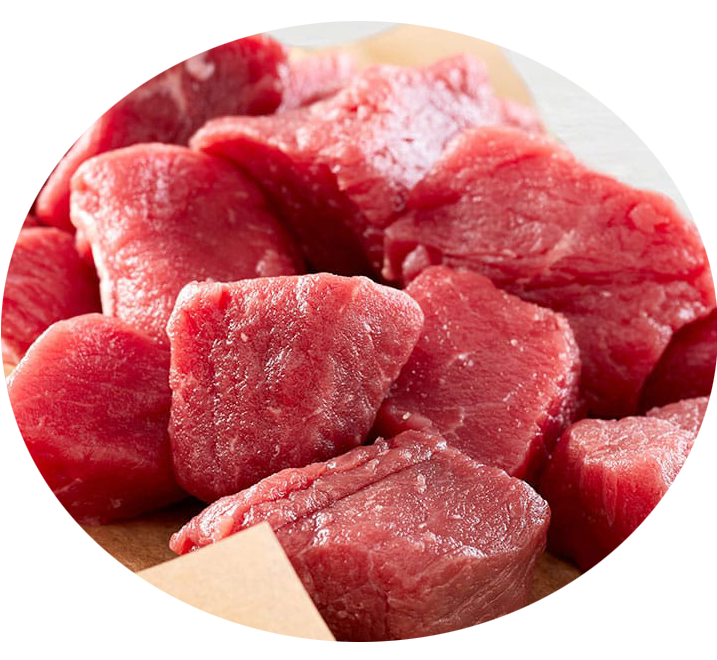
Exploring Different Cuts of Halal Beef and How to Cook Them
Halal beef is prepared according to Islamic dietary laws, ensuring the animal is treated humanely and the meat is pure for consumption. When cooking halal beef, knowing the different cuts and their best cooking methods can elevate your dishes. Below is a guide to common halal beef cuts and how to prepare them.
1. Ribeye (Prime Rib or Rib Roast)
Characteristics: Marbled, tender, and flavorful.
Best Cooking Methods:
Grilling or Pan-searing: Ribeye steaks are ideal for high-heat cooking to create a caramelized crust while keeping the interior juicy.
Roasting: For a rib roast, slow-cook in the oven with herbs and spices to enhance its natural flavor.
Tips: Allow the meat to rest after cooking to retain its juices.
2. Tenderloin (Filet Mignon)
Characteristics: The most tender cut, with a buttery texture and mild flavor.
Best Cooking Methods:
Grilling or Broiling: Cook quickly over high heat to medium-rare or medium for the best texture.
Pan-searing: Add a butter baste with garlic and herbs for added flavor.
Tips: Do not overcook, as this cut can become dry.
3. Sirloin (Top and Bottom Sirloin)
Characteristics: Leaner than ribeye but still tender and flavorful.
Best Cooking Methods:
Grilling or Stir-frying: Thin slices work well in stir-fries or kabobs.
Roasting: Bottom sirloin is perfect for roasts or ground beef.
Tips: Marinate sirloin to tenderize and enhance its flavor.
4. Brisket
Characteristics: Tough and fibrous with rich flavor, ideal for slow cooking.
Best Cooking Methods:
Braised: Cook low and slow in a flavorful liquid for tender results.
Smoked: Brisket is perfect for barbecue when smoked for several hours.
Tips: Slice against the grain to maximize tenderness.
5. Chuck (Shoulder or Chuck Roast)
Characteristics: A flavorful, affordable cut with marbling that becomes tender when cooked slowly.
Best Cooking Methods:
Slow-cooking or Braising: Perfect for stews, pot roasts, or curries.
Ground: Often used for burgers or meatballs due to its fat content.
Tips: Cook chuck cuts with liquid to prevent them from drying out.
6. Short Ribs
Characteristics: Rich and meaty, short ribs are known for their deep flavor.
Best Cooking Methods:
Braised or Slow-cooked: Perfect for hearty dishes like stews or glazed ribs.
Grilled: Korean-style short ribs (cut thin) can be marinated and quickly grilled.
Tips: The connective tissue in short ribs requires slow cooking for the best results.
7. Flank Steak
Characteristics: A lean, long cut with pronounced grain.
Best Cooking Methods:
Grilled: Cook quickly to medium-rare and slice thinly against the grain.
Stir-fried: Works well in Asian-style dishes when cut into thin strips.
Tips: Marinate to tenderize and enhance its flavor.
8. Ground Beef
Characteristics: Versatile and easy to cook, made from various cuts.
Best Cooking Methods:
Pan-frying: Use for patties, tacos, or kebabs.
Simmering: Ideal for sauces like Bolognese or curries.
Tips: Choose ground beef with 15-20% fat for the best balance of flavor and texture.
9. Shank (Leg)
Characteristics: Tough but flavorful, with a high amount of collagen.
Best Cooking Methods:
Braising or Slow-cooking: Perfect for soups, stews, and bone-in dishes like osso buco.
Pressure Cooking: Speeds up the tenderization process.
Tips: Use the marrow from shank bones to enrich broths.
10. Oxtail
Characteristics: Fatty and gelatinous, with rich, beefy flavor.
Best Cooking Methods:
Braised or Stewed: Cooked slowly to break down the connective tissue.
Soups: Adds depth to hearty soups and stews.
Tips: Skim excess fat during cooking for a cleaner dish.
Cooking Tips for Halal Beef:
1.Marination: For leaner cuts like flank or sirloin, marinating with acidic ingredients (e.g., lemon juice or yogurt) helps tenderize.
2.Seasoning: Use spices like cumin, coriander, turmeric, or cinnamon to create dishes inspired by Middle Eastern or South Asian flavors.
3. Resting the Meat: Always let cooked beef rest for 5–10 minutes before slicing to retain its juices.
4.Halal Certification: Ensure your beef is certified halal from a trusted source for authenticity.
Whether you’re grilling ribeye, slow-cooking brisket, or stir-frying flank steak, understanding each cut’s unique qualities will help you create delicious halal meals.

