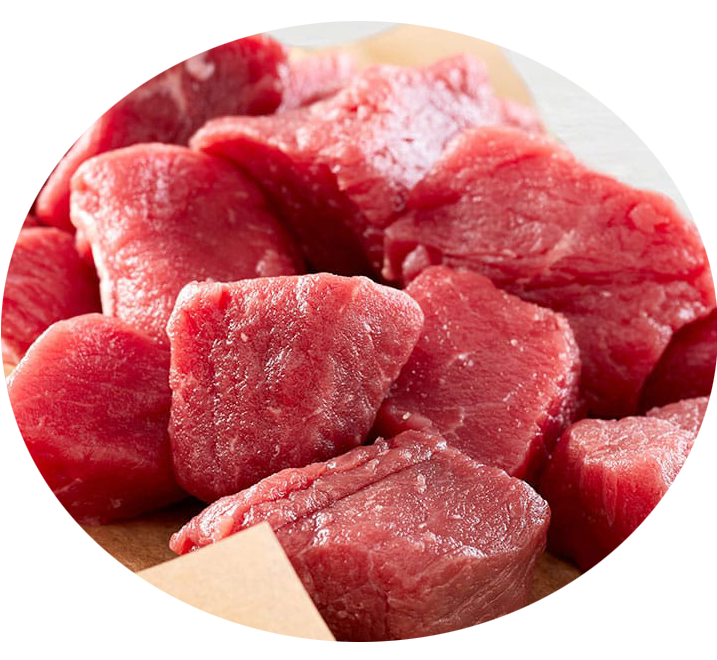
 Boneless Beef Stew
  Hamburger Patties
  Chicken Wings (10)
  Ground Beef
 Masonry No Sidebar


Grass-Fed vs. Grain-Fed Halal Meat: Which is Better?
1. The choice between grass-fed and grain-fed halal meat depends on your priorities in terms of health, taste, ethics, and environmental impact. Here’s a closer look at each type:
1. Nutritional Value
Grass-Fed Halal Meat: Animals that are grass-fed have a diet based on natural grasses, leading to leaner meat with higher levels of omega-3 fatty acids, which are beneficial for heart health. Grass-fed meat also contains more antioxidants, vitamins A and E, and conjugated linoleic acid (CLA), a fatty acid linked to health benefits.
Grain-Fed Halal Meat: Animals fed a grain-based diet (often including corn or soy) gain weight faster and develop more marbling (fat within the muscle). This meat has a higher omega-6 fatty acid content, which is beneficial in moderation but can contribute to inflammation if not balanced with omega-3 intake.
2. Flavor and Texture
Grass-Fed: Tends to have a distinct, earthy, or “gamey” flavor and is leaner, which makes it firmer. Some people enjoy the rich taste, while others find it less tender.
Grain-Fed: Has a mild, buttery flavor and is more tender due to higher fat content. The marbling makes it particularly juicy and tender, making it a popular choice for steaks.
3. Environmental Impact
Grass-Fed: Typically seen as more sustainable, especially when animals are raised on rotational grazing systems that improve soil and biodiversity. However, grass-fed farming needs more land and may have a higher carbon footprint if not managed carefully.
Grain-Fed: Grain feeding is more efficient in terms of land use, as it requires less space per animal. However, it’s usually associated with confined feedlots and can lead to higher greenhouse gas emissions due to large-scale grain production, pesticides, and fertilizers.
4. Animal Welfare
Grass-Fed: Animals are usually raised on open pastures, where they can graze freely, which aligns well with halal principles of ethical treatment.
Grain-Fed: Often involves feedlot systems with limited space, which may raise concerns about animal welfare. However, some farms are dedicated to humane grain-fed practices.
5. Health Considerations
Grass-fed meat may be better if you’re focused on nutrient density, lower fat content, and a better balance of omega-3 to omega-6 fatty acids.
Grain-fed meat, being more marbled, is higher in calories and fat, which may not suit every diet but can be appealing for taste and tenderness.
Which is Better?
Grass-Fed is often preferred if you prioritize nutrition, ethical animal treatment, and a richer flavor.
Grain-Fed may be a better choice for those who prefer a milder taste, more tender meat, and often, a lower price point.
Both types can be halal as long as they meet halal slaughter standards, so ultimately, the “better” choice depends on your personal values around health, taste, sustainability, and cost.

How to Choose High-Quality Halal Meat for Your Family
Choosing high-quality halal meat for your family is essential to ensure it meets both religious guidelines and high standards of safety, taste, and nutrition. Here are some steps to help you make an informed choice:
1. Verify Halal Certification
Look for official halal certification labels on the packaging, as this indicates that the meat was processed following Islamic guidelines.
Recognized halal certifying bodies include organizations like Halal Monitoring Committee (HMC) or Halal Food Authority (HFA) in some countries.
If purchasing from a butcher or local supplier, ask about their halal certification to ensure the slaughter and preparation methods align with halal standards.
2. Check the Freshness and Quality of the Meat
High-quality fresh meat should have a pleasant, mild smell. If it has an off or sour odor, it’s likely not fresh.
Look at the color and texture; fresh halal meat should be vibrant and moist, not grayish or slimy.
Make sure the packaging is intact and there’s no excess liquid, as this may indicate poor handling or that it’s been frozen and defrosted multiple times.
3. Consider the Source and Type of Animal
Choose halal meat from reputable farms that follow ethical, humane practices, as the welfare of animals is also a part of halal principles.
Organic, grass-fed, or pasture-raised options are often recommended for both quality and nutritional value, as these animals tend to be healthier and less likely to contain harmful chemicals.
Some animals, such as lamb and goat, are often considered better quality when they’re younger (e.g., lamb vs. mutton).
4. Inquire About the Slaughter Process
Ensure that the animal was slaughtered by a qualified person, following the proper Islamic procedures, which include pronouncing “Bismillah” and “Allahu Akbar” before the slaughter.
Ask if the meat was hand-slaughtered, which some Muslims believe is more authentic, although machine-slaughter is also accepted in some halal certifying processes.
5. Buy from Trusted Butchers or Stores
Purchasing from a halal butcher or grocery store with a strong reputation for quality can provide peace of mind. These businesses often adhere more strictly to halal standards and can offer guidance if you have questions.
If buying from a supermarket, check if they have a dedicated halal section and ensure the meat is stored and handled separately from non-halal items to avoid cross-contamination.
6. Look for Local and Sustainable Options
Locally sourced meat is often fresher and supports the local economy, and it can be easier to verify the practices used.
Some suppliers may also prioritize sustainable practices, which align with the halal emphasis on responsible and ethical treatment of animals and the environment.
7. Ask About Freezing and Handling
If the meat is frozen, ask when it was frozen to ensure it’s been stored correctly and has a minimal risk of freezer burn.
Ensure that proper halal handling is maintained from slaughter to sale, particularly in multi-purpose facilities that may handle non-halal meat. This includes separate storage, packaging, and utensils.
8. Review Nutritional Value and Avoid Additives
When possible, choose cuts of meat that are leaner and higher in nutrients, such as protein and iron, and avoid meats with added hormones, antibiotics, or artificial preservatives.
By following these steps, you can ensure that the halal meat you select is high-quality, fresh, and safe, allowing your family to enjoy its health benefits in alignment with Islamic dietary guidelines.
Top 10 Health Benefits of Eating Halal Meat
Here are ten health benefits of eating halal meat:
1.Clean and Safe Processing: Halal meat undergoes strict processing standards, which prioritize hygiene and cleanliness at every step. Animals are raised and slaughtered in a clean environment, reducing the risk of contamination and disease transmission.
2.Higher Quality Meat: The humane treatment of animals required by halal standards can result in higher-quality meat. The animals are less likely to experience stress or injury, which can affect meat quality.
3.Reduced Blood Contamination: In halal processing, animals are bled completely, which reduces blood content in the meat. Blood can contain harmful bacteria and toxins, so its removal can result in cleaner, healthier meat.
4.Hormone-Free Meat: Halal standards discourage the use of hormones and antibiotics in animals, ensuring that meat is free of these additives. Consuming hormone-free meat can lower the risk of certain health issues linked to synthetic hormones.
5.Healthier Fat Content: Halal meat often contains less unhealthy fat because animals are generally raised on natural foods and allowed to graze freely. This leads to leaner meat with a more favorable fat profile.
6.Higher Nutritional Value: Halal meat processing techniques aim to retain nutrients, including essential vitamins, minerals, and proteins. This supports overall health and can provide a more nutrient-dense meal.
7. No Contaminants: Halal standards strictly prohibit the use of certain substances, such as alcohol and pork-based products, which some may want to avoid for health reasons.
8.Better Animal Welfare: Halal practices emphasize humane treatment and minimize animal stress. Stress in animals before slaughter can release stress hormones, which may affect the meat’s quality and nutritional content.
9.Ethically Sourced: Halal meat is ethically sourced, with a focus on sustainable and respectful practices. This not only benefits the environment but also ensures consumers that the meat aligns with certain ethical standards.
10.Promotes Digestive Health: The method of preparation and the emphasis on freshness in halal meat can aid digestion. Many halal dishes use natural spices and cooking methods that further promote healthy digestion and absorption of nutrients.
These health benefits highlight halal meat as an option for those looking for meat that is both ethically sourced and nutritionally beneficial.

What is Halal Meat? A Complete Guide to Halal Standards
Halal meat refers to meat prepared according to Islamic law, known as Shariah, which dictates specific requirements to ensure the meat is permissible, or “halal,” for Muslims to consume. Here’s a comprehensive guide to the standards and practices involved:
1. Meaning of Halal
The word halal in Arabic means “permissible” or “lawful,” and refers to what is allowed for consumption or use under Islamic law.In the context of food, halal involves specific guidelines for how animals are raised, slaughtered, and processed.
2. Halal Standards for Meat Preparation
Permissible Animals: Halal meat must come from animals deemed halal, such as cows, sheep, goats, chickens, and fish. Pork is strictly prohibited.Animal Welfare: Animals should be raised humanely, ideally in stress-free environments, and given access to clean food and water.
3. The Slaughtering Process (Dhabihah)
Invocation: The process requires the name of God (Allah) to be invoked before the slaughter. Typically, the phrase Bismillah Allahu Akbar (“In the name of Allah, Allah is the Greatest”) is recited.Method: A swift, deep cut is made to the throat using a sharp knife to ensure minimal pain, cutting the jugular vein, carotid artery, and windpipe. This allows for the blood to drain out, which is a key requirement as consuming blood is prohibited in Islam.Qualified Person: The individual performing the slaughter must be of the Islamic faith and understand the requirements of dhabihah.
4. Post-Slaughter ProcessingBlood Drainage: All blood is drained from the animal’s body, as Islamic dietary law forbids the consumption of blood.Inspection: The meat is then inspected and processed in facilities certified as halal, ensuring it remains free from contamination with non-halal substances, like pork.
5. Halal Certification: Certification Bodies: There are official halal certification bodies that oversee and confirm that the entire process from animal handling to slaughter to packaging meets halal standards. These certifications are crucial for Muslim consumers to trust the halal status of the meat.
Labeling: Certified halal meat will often be labeled as such, usually with a seal from a recognized halal certification authority.
6. Differences Between Halal and Non-Halal Meat
Blessing and Slaughter Method: In non-halal meat processing, animals may not be blessed, and the slaughter methods vary. The humane and quick slaughter methods in halal ensure respect and minimal suffering for the animal.Blood Removal: Halal meat specifically requires thorough blood drainage, unlike some other meat-processing practices where blood may not be removed completely.
7. Why Muslims Choose Halal Meat
Religious Observance: For practicing Muslims, consuming halal food is a form of religious observance and a way to align diet with spiritual beliefs.
Health and Hygiene: Many Muslims believe that halal slaughter results in cleaner meat due to the blood drainage requirement.
8. Halal Meat in Non-Muslim Countries
Availability: Halal meat is becoming increasingly available in non-Muslim countries, with many supermarkets and restaurants offering halal options.
Halal Butchers and Shops: In many cities, there are halal-certified butchers and markets where Muslims can reliably purchase halal meat.
9. Common Misconceptions about Halal Meat
Cruelty Concerns: Some people assume halal slaughter is cruel, but it is designed to be as humane as possible, prioritizing a quick and minimally painful death.
Religious Requirement: Although halal meat follows Islamic law, halal-certified food is not exclusive to Muslims; anyone can consume it.
10. Understanding Halal Certification Labels
Look for labels from recognized halal certification bodies, which assure that every aspect, from animal welfare to slaughter, meets halal standards.Be cautious of vague “halal-style” labels that may not meet full certification requirements.
In conclusion, halal meat isn’t just about the type of animal but encompasses the entire process from animal welfare, humane slaughter, blood removal, and ethical processing. For Muslims, it’s a way to maintain religious principles, while others may see it as a choice rooted in ethical and health-conscious practices.

Navigating the Halal Meat Market: What to Look for and Where to Buy
Navigating the halal meat market can feel overwhelming, especially with so many options and varying quality standards. Here’s a guide on what to look for and where to buy halal meat to ensure quality, authenticity, and ethical practices.
1. Check for Reliable Halal Certification
Look for Reputable Certifying Bodies: Not all halal labels are created equal. Reputable certifying bodies, like the Islamic Food and Nutrition Council of America (IFANCA), Halal Monitoring Authority (HMA), and Halal Certification Europe (HCE), follow rigorous standards. Recognized halal certifications confirm that the meat is slaughtered according to Islamic law and that ethical practices are upheld throughout the supply chain.
Understand Certification Standards: Some certifiers emphasize both animal welfare and sustainability. Familiarize yourself with certifiers’ requirements to ensure the meat aligns with your values regarding humane treatment, natural diets, and the prohibition of growth hormones and unnecessary antibiotics.
2. Prioritize Quality and Transparency
Opt for Grass-Fed or Organic Halal Meat: Grass-fed and organic halal meat are often better choices because they support natural diets and avoid synthetic additives. Organic halal meat ensures the animal was raised without pesticides, antibiotics, or GMOs, which can improve meat quality.
Look for Transparency: Check whether the supplier provides information on sourcing and processing methods. High-quality halal suppliers often disclose where the meat comes from, how the animals were raised, and whether the farm follows ethical practices. Transparency is a good indicator of integrity in halal meat production.
3. Explore Different Halal Meat Cuts and Options
Choose the Right Cuts for Your Needs: Different cuts offer different flavors and textures, so choosing the right ones can enhance your culinary experience. For example, ribeye and sirloin are ideal for grilling, while brisket and chuck are perfect for slow-cooking dishes.
Look for Diverse Options: As the halal market grows, so do the options available. Many halal butcher shops offer unique products, such as halal sausages, burgers, and even exotic meats like venison. Exploring these options can diversify your diet and allow for more creative cooking.
4. Where to Buy Halal Meat
Specialized Halal Butcher Shops: Local halal butcher shops are a great place to find high-quality meat, often from smaller, local farms that prioritize humane and ethical farming. Butcher shops can also provide custom cuts and are a good source of information about the meat’s origins.
Grocery Stores with Halal Sections: Many mainstream grocery stores now carry halal meat, typically in a dedicated section. While convenient, check the certification and freshness of the meat, as larger stores may prioritize inventory turnover over quality.
Farmers’ Markets and Local Farms: Some farmers’ markets feature halal-certified vendors offering fresh, local meat. Directly sourcing from farmers allows you to ask questions about farming practices and the animals’ living conditions.
Online Halal Meat Suppliers: Many online retailers, like Boxed Halal and Halal Pastures, deliver certified halal meat to your door. These suppliers often offer a wide range of options, from grass-fed and organic meat to specialty cuts, and they provide detailed sourcing and certification information.
5. Consider Ethical and Sustainable Options
Prioritize Animal Welfare: Look for suppliers who emphasize humane treatment of animals and provide animals with natural diets and outdoor access. This not only aligns with halal principles but also contributes to healthier, higher-quality meat.
•Choose Sustainable Farms: Farms that practice rotational grazing, reduced water use, and chemical-free feed align with both halal guidelines and environmentally friendly practices. Supporting these farms helps promote a more sustainable meat industry.
6. Ask Questions and Read Reviews
Ask About Certification and Practices: Don’t hesitate to ask butchers or store employees about the halal meat’s certification, sourcing, and animal welfare practices. A knowledgeable seller will be transparent about these aspects.
Read Reviews for Online Purchases: If buying online, reviews can provide insights into the quality, flavor, and authenticity of the meat. Look for feedback on shipping quality, freshness, and customer service.
7. Check for Freshness
Inspect Color and Smell: Fresh halal meat should have a deep red or pink color without a strong, unpleasant odor. Brown or grayish coloring can indicate spoilage, especially if it’s packaged in a way that allows oxygen exposure.
Consider Frozen Options: Some online halal stores freeze their meat right after slaughter to maintain freshness during transport. Frozen halal meat can be a practical option if fresh local meat is unavailable, as it retains quality and flavor when thawed correctly.

How Halal Meat Contributes to a Healthier and More Sustainable Diet
1- remove all this picture from all postsHalal meat contributes to a healthier and more sustainable diet through its focus on ethical animal treatment, natural farming methods, and the avoidance of harmful additives. Here are the key ways halal meat promotes both health and sustainability:
1. Healthier Meat Choices:
– No Harmful Additives: Halal-certified meat comes from animals raised without unnecessary antibiotics, hormones, or synthetic chemicals. This helps ensure that consumers avoid exposure to substances that could affect their health.
– Clean and Safe: The halal slaughter process ensures that the animal’s blood is drained, reducing the risk of bacterial contamination. This helps produce safer, cleaner meat with fewer impurities.
– Lean and Nutrient-Rich: Halal meat is often leaner and more nutrient-dense, as many halal producers prioritize natural diets and humane treatment of animals. This leads to healthier cuts of meat, rich in essential nutrients like protein, iron, and B vitamins.
2. Humane and Ethical Animal Treatment:
– Animal Welfare: Halal standards require that animals are raised in humane conditions, with proper access to food, water, and space to roam. The slaughter process is designed to minimize suffering, as the animal is treated with care and slaughtered quickly to reduce pain and stress.
– Healthier Livestock: Animals raised under halal guidelines tend to be healthier due to the emphasis on natural diets and living conditions. Healthier animals produce higher-quality meat, free from the negative effects of stress or overcrowding in factory farming conditions.
3. Sustainable Farming Practices:
– Environmentally Friendly Methods: Many halal producers use sustainable farming techniques, such as pasture-raising or rotational grazing, which reduce the environmental impact of meat production. These methods help maintain soil health, reduce carbon emissions, and support biodiversity.
– Reduction of Waste: Halal meat production encourages the efficient use of the entire animal, minimizing waste. The emphasis on avoiding overconsumption and promoting resourcefulness is a key aspect of halal principles, which align with sustainability goals.
4. Support for Local and Small-Scale Farms:
– Locally Sourced Meat: Many halal meat producers source from local or small-scale farms that practice sustainable agriculture. By supporting these farms, consumers reduce the need for industrialized farming practices that are often harmful to the environment and contribute to overproduction.
– Eco-Friendly Supply Chains: Halal meat is often sourced through shorter, more transparent supply chains, reducing the carbon footprint associated with long-distance transportation and large-scale industrial farming.
5. Promotion of Mindful Consumption:
– Ethical Eating Habits: Halal practices encourage moderation and mindful consumption, which can lead to reduced meat consumption overall. This is important for sustainability, as excessive meat consumption is a leading contributor to environmental degradation.
– Focus on Quality Over Quantity: The halal lifestyle emphasizes quality, both in terms of how the meat is raised and prepared. By choosing halal meat, consumers often focus on higher-quality, ethically sourced meat, reducing reliance on industrially produced meat.

Common Myths and Misconceptions About Halal Meat: Debunked
There are several myths and misconceptionssurrounding halal meat that often create confusion. Here are some common myths about halal meat, along with explanations that debunk them:
1. Myth: Halal Meat Is Only for Muslims
– Reality: While halal meat is prepared according to Islamic dietary laws, anyone can consume it. Many non-Muslims choose halal meat because of its perceived higher standards in terms of cleanliness, ethical treatment of animals, and overall quality. It’s not exclusive to Muslims, and people from various backgrounds enjoy halal products.
2. Myth: Halal Slaughter Is Cruel
– Reality: One of the core principles of halal slaughter is minimizing the suffering of animals. Halal requires the animal to be treated humanely throughout its life and during slaughter. The slaughtering process involves a swift, deep cut that causes a quick death by severing the blood vessels, cutting off blood flow to the brain to reduce pain. The animal must also be healthy and well-treated before the process, which ensures ethical care.
3. Myth: Halal Meat Is Less Hygienic
– Reality: Halal certification requires strict adherence to cleanliness and hygiene throughout the supply chain. The process ensures that the animal is healthy at the time of slaughter, and all facilities where halal meat is processed must meet high standards of cleanliness to prevent contamination. In fact, many people choose halal meat because of the additional inspections and standards required for certification.
4. Myth: Halal Meat Is Always Expensive
– Reality: While some halal meat may be more expensive due to factors like local sourcing or higher quality standards, it is not always more costly than non-halal meat. The price varies based on where the meat is purchased and the type of meat (e.g., organic, grass-fed, or free-range meat will typically be priced higher). Many halal products are competitively priced in local markets.
5. Myth: Halal Meat Is Only About Religious Rituals
– Reality: Halal meat goes beyond just religious requirements. It also emphasizes ethical treatment of animals, environmental responsibility, and cleanliness in production. Halal regulations ensure that the animal is healthy, humanely treated, and processed in clean conditions, which can appeal to people who prioritize ethical and sustainable food choices.
6. Myth: Halal Meat Is the Same as Kosher Meat
– Reality: While there are similarities between halal and kosher practices, they are not the same. Both involve humane slaughter methods and avoid certain animals, like pork. However, kosher rules are based on Jewish dietary laws and differ in some aspects, such as the way blood is drained and the handling of meat and dairy together. Halal meat also allows the consumption of certain foods that are not permitted in kosher diets, and the religious blessings recited during slaughter are different.
7. Myth: All Halal Meat Is Factory-Farmed
– Reality: Not all halal meat comes from large-scale, industrial farms. Many halal meat producers prioritize ethical farming practices, including free-range and organic farming, to ensure animals are treated humanely. The emphasis on animal welfare in halal guidelines encourages the use of farms that prioritize better living conditions for animals, and many consumers seek out halal meat from small, local farms.
8. Myth: Halal Meat Has a Strange Taste
– Reality: The taste of halal meat is no different from non-halal meat. The method of slaughter doesn’t affect the flavor. The taste of meat is more influenced by factors like the animal’s diet, the cut of the meat, and the way it’s cooked. Many people actually find halal meat to be fresher and tastier due to the emphasis on hygiene and ethical treatment during production.
9. Myth: Halal Meat Is Hard to Find
– Reality: While halal meat was once difficult to find in non-Muslim-majority countries, it is now widely available in many supermarkets, butcher shops, and online markets. The growing demand for halal products has led to its availability in mainstream grocery stores around the world.

Why Choosing Halal Meat Supports Ethical and Humane Practices
Choosing halal meat: supports ethical and humane practices because halal regulations are based on principles that prioritize the ethical treatment of animals, cleanliness, and sustainability. Here’s how halal meat production aligns with these values:
1. Humane Slaughtering Practices
Minimizing Suffering: Halal slaughter, known as zabiha, requires that animals are treated humanely throughout their lives and that their slaughter is quick and minimizes pain. The slaughterer makes a swift, deep cut to the throat, severing major blood vessels to ensure a fast death, reducing suffering.
– Conditions of Slaughter: The animal must not witness the slaughter of other animals, and it should be handled calmly and respectfully. This reduces fear and stress, which also contributes to better quality meat.
2. Animal Welfare:
– Pre-Slaughter Treatment: Halal standards require that animals are raised with care, ensuring proper nutrition, access to water, and humane living conditions. Islamic law forbids cruelty and mandates that animals be treated with compassion throughout their lives.
– Health Requirements: Only healthy animals are considered suitable for halal slaughter. Sick or mistreated animals cannot be slaughtered for halal meat, promoting better health and well-being for livestock.
3. Ethical Farming Practices:
– Natural Diets: Halal farming practices often promote feeding animals their natural diets, such as grass for cows, rather than using artificial growth hormones or unnecessary antibiotics. This ensures animals are raised more naturally and healthily.
– Avoiding Factory Farming: Many halal-certified farms avoid intensive factory farming, which is often associated with overcrowding and inhumane conditions. Instead, these farms tend to support more ethical and sustainable practices, such as allowing animals to graze freely.
4. Environmental Stewardship:
– Sustainable Practices: Halal production encourages responsible stewardship of the environment. Islamic teachings emphasize balance and avoiding harm to the environment, which aligns with sustainable farming methods such as rotational grazing and reduced reliance on chemical inputs.
– Resource Efficiency: Halal slaughter and farming practices focus on cleanliness, waste reduction, and making the most efficient use of resources. This includes utilizing as much of the animal as possible, which minimizes waste and promotes sustainability.
5. Transparency and Consumer Trust:
– Clear Standards: Halal certification involves a clear set of rules and rigorous inspections to ensure compliance. This gives consumers confidence that the meat they purchase meets ethical standards related to animal welfare, hygiene, and sustainability.
– Integrity in Processing: Halal-certified meat producers follow strict guidelines that ensure ethical handling from farm to table. This transparency builds trust among consumers seeking ethical food choices.
Exploring the Different Cuts of Halal Meat and Their Best Uses in Cooking
Understanding the different **cuts of halal meat** can help you make the most of each type in your cooking, whether you’re preparing traditional dishes or trying something new. Each cut has its own characteristics in terms of texture, flavor, and fat content, making it suitable for specific cooking methods. Here’s a guide to common cuts of halal meat and their best uses:
1. Beef Cuts:
– Ribeye:
– Characteristics: This cut comes from the rib section and is known for its marbling and tenderness.
– Best Uses: Ideal for grilling or pan-searing. Ribeye steaks are juicy and flavorful, perfect for steak lovers.
– Sirloin:
– Characteristics: A leaner cut with a good balance of tenderness and flavor.
– **Best Uses**: Suitable for grilling, broiling, or stir-frying. Great for kebabs or steak salads.
– Chuck:
– Characteristics: A tougher, more flavorful cut from the shoulder.
– Best Uses: Best for slow cooking, such as braising or stewing. Chuck is commonly used for making curries or pot roast.
– Brisket:
– Characteristics: A tougher, fatty cut that comes from the chest.
– Best Uses: Brisket shines when slow-cooked, smoked, or braised. It’s often used in barbecued dishes or traditional dishes like Afghan-style slow-cooked beef.
– Ground Beef:
– Characteristics: Minced meat that can come from various cuts, with varying fat content.
– Best Uses: Versatile for making kebabs, burgers, meatballs, or stuffed vegetables.
2. Lamb Cuts:
– Leg of Lamb:
– Characteristics: A lean, tender cut that’s packed with flavor.
– Best Uses: Ideal for roasting whole or cutting into cubes for grilling and making lamb skewers or kebabs. It’s also excellent when slow-cooked in stews or curries.
– Lamb Shoulder:
– Characteristics: A tougher cut but very flavorful due to its higher fat content.
– Best Uses: Best suited for slow cooking like braising or roasting. It’s perfect for dishes like lamb curry or slow-cooked lamb stew.
– Lamb Chops (Rib or Loin Chops):
– Characteristics: Tender, flavorful, and quick to cook.


