 Delmonico Steak
  Chuck Arm Roast
  Skirt Steak
  Boneless Beef Stew
  Hamburger Patties
  Chicken Wings (10)
  Ground Beef
 Month: July 2026


How to Choose High-Quality Halal Meat for Your Family
Choosing high-quality halal meat for your family is essential to ensure it meets both religious guidelines and high standards of safety, taste, and nutrition. Here are some steps to help you make an informed choice:
1. Verify Halal Certification
Look for official halal certification labels on the packaging, as this indicates that the meat was processed following Islamic guidelines.
Recognized halal certifying bodies include organizations like Halal Monitoring Committee (HMC) or Halal Food Authority (HFA) in some countries.
If purchasing from a butcher or local supplier, ask about their halal certification to ensure the slaughter and preparation methods align with halal standards.
2. Check the Freshness and Quality of the Meat
High-quality fresh meat should have a pleasant, mild smell. If it has an off or sour odor, it’s likely not fresh.
Look at the color and texture; fresh halal meat should be vibrant and moist, not grayish or slimy.
Make sure the packaging is intact and there’s no excess liquid, as this may indicate poor handling or that it’s been frozen and defrosted multiple times.
3. Consider the Source and Type of Animal
Choose halal meat from reputable farms that follow ethical, humane practices, as the welfare of animals is also a part of halal principles.
Organic, grass-fed, or pasture-raised options are often recommended for both quality and nutritional value, as these animals tend to be healthier and less likely to contain harmful chemicals.
Some animals, such as lamb and goat, are often considered better quality when they’re younger (e.g., lamb vs. mutton).
4. Inquire About the Slaughter Process
Ensure that the animal was slaughtered by a qualified person, following the proper Islamic procedures, which include pronouncing “Bismillah” and “Allahu Akbar” before the slaughter.
Ask if the meat was hand-slaughtered, which some Muslims believe is more authentic, although machine-slaughter is also accepted in some halal certifying processes.
5. Buy from Trusted Butchers or Stores
Purchasing from a halal butcher or grocery store with a strong reputation for quality can provide peace of mind. These businesses often adhere more strictly to halal standards and can offer guidance if you have questions.
If buying from a supermarket, check if they have a dedicated halal section and ensure the meat is stored and handled separately from non-halal items to avoid cross-contamination.
6. Look for Local and Sustainable Options
Locally sourced meat is often fresher and supports the local economy, and it can be easier to verify the practices used.
Some suppliers may also prioritize sustainable practices, which align with the halal emphasis on responsible and ethical treatment of animals and the environment.
7. Ask About Freezing and Handling
If the meat is frozen, ask when it was frozen to ensure it’s been stored correctly and has a minimal risk of freezer burn.
Ensure that proper halal handling is maintained from slaughter to sale, particularly in multi-purpose facilities that may handle non-halal meat. This includes separate storage, packaging, and utensils.
8. Review Nutritional Value and Avoid Additives
When possible, choose cuts of meat that are leaner and higher in nutrients, such as protein and iron, and avoid meats with added hormones, antibiotics, or artificial preservatives.
By following these steps, you can ensure that the halal meat you select is high-quality, fresh, and safe, allowing your family to enjoy its health benefits in alignment with Islamic dietary guidelines.
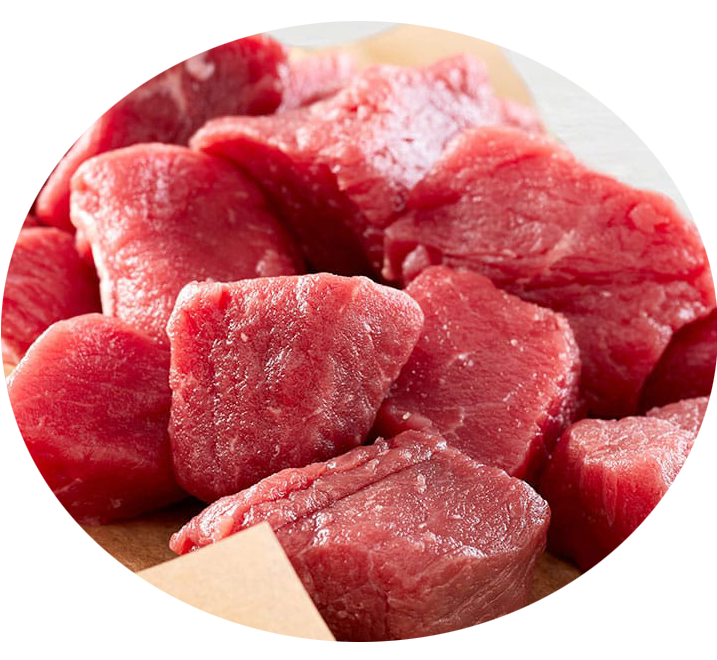
Top 10 Health Benefits of Eating Halal Meat
Here are ten health benefits of eating halal meat:
1.Clean and Safe Processing: Halal meat undergoes strict processing standards, which prioritize hygiene and cleanliness at every step. Animals are raised and slaughtered in a clean environment, reducing the risk of contamination and disease transmission.
2.Higher Quality Meat: The humane treatment of animals required by halal standards can result in higher-quality meat. The animals are less likely to experience stress or injury, which can affect meat quality.
3.Reduced Blood Contamination: In halal processing, animals are bled completely, which reduces blood content in the meat. Blood can contain harmful bacteria and toxins, so its removal can result in cleaner, healthier meat.
4.Hormone-Free Meat: Halal standards discourage the use of hormones and antibiotics in animals, ensuring that meat is free of these additives. Consuming hormone-free meat can lower the risk of certain health issues linked to synthetic hormones.
5.Healthier Fat Content: Halal meat often contains less unhealthy fat because animals are generally raised on natural foods and allowed to graze freely. This leads to leaner meat with a more favorable fat profile.
6.Higher Nutritional Value: Halal meat processing techniques aim to retain nutrients, including essential vitamins, minerals, and proteins. This supports overall health and can provide a more nutrient-dense meal.
7. No Contaminants: Halal standards strictly prohibit the use of certain substances, such as alcohol and pork-based products, which some may want to avoid for health reasons.
8.Better Animal Welfare: Halal practices emphasize humane treatment and minimize animal stress. Stress in animals before slaughter can release stress hormones, which may affect the meat’s quality and nutritional content.
9.Ethically Sourced: Halal meat is ethically sourced, with a focus on sustainable and respectful practices. This not only benefits the environment but also ensures consumers that the meat aligns with certain ethical standards.
10.Promotes Digestive Health: The method of preparation and the emphasis on freshness in halal meat can aid digestion. Many halal dishes use natural spices and cooking methods that further promote healthy digestion and absorption of nutrients.
These health benefits highlight halal meat as an option for those looking for meat that is both ethically sourced and nutritionally beneficial.
Top 10 Health Benefits of Consuming Grass-Fed Halal Meat
Grass-fed halal meat is considered healthier and more ethical by many due to its natural raising methods and adherence to religious guidelines. Here are the top 10 health benefits of consuming grass-fed halal meat:
1. Higher Levels of Omega-3 Fatty Acids
– Grass-fed meat is richer in omega-3 fatty acids, which are essential for heart health, reducing inflammation, and supporting brain function.
2. Lower in Total Fat and Calories
– Grass-fed meat tends to be leaner than grain-fed meat, containing less overall fat and calories, making it a healthier option for weight management.
3. Rich in Antioxidants
– Grass-fed meat is a good source of antioxidants like vitamin E and beta-carotene, which help protect cells from oxidative damage and reduce the risk of chronic diseases.
4. Higher Levels of Conjugated Linoleic Acid (CLA)
– Grass-fed meat contains more CLA, a fatty acid known for its cancer-fighting properties, as well as its ability to support weight loss and improve immune function.
5. Rich in Vitamins and Minerals
– Grass-fed meat is higher in important nutrients like vitamin A, vitamin E, zinc, iron, and selenium, which are essential for immune function, healthy skin, and energy production.
6. Better for Blood Sugar Control
– The healthier fat profile of grass-fed meat may improve insulin sensitivity and help in regulating blood sugar levels, making it a better option for individuals with diabetes or metabolic syndrome.
7. Ethically Sourced
– Halal meat adheres to strict ethical standards regarding animal treatment and slaughter, reducing stress in animals, which some believe leads to higher quality and healthier meat.
8. Free of Hormones and Antibiotics
– Grass-fed animals are typically raised without the use of synthetic hormones or antibiotics, reducing the intake of these potentially harmful substances in the meat.
9. Supports Heart Health
– The higher concentration of healthy fats, antioxidants, and lower cholesterol levels in grass-fed meat can contribute to better heart health and reduce the risk of cardiovascular diseases.
10. Improved Digestion and Gut Health
– Grass-fed animals have a natural diet, leading to healthier meat that is more easily digested and may promote better gut health compared to meat from grain-fed animals.
Grass-fed halal meat not only provides health benefits but also supports ethical, sustainable farming practices, making it a desirable choice for those seeking both quality and integrity in their food.
The Process Behind Halal Meat Production: From Farm to Table
The production of halal meat follows strict guidelines rooted in Islamic law (Shariah). The process involves several key steps that ensure the meat is prepared in accordance with Islamic principles, emphasizing cleanliness, animal welfare, and religious rituals. Here is an overview of the process from farm to table:
1. Animal Selection
– Permissible Animals: Only certain animals are considered halal (permissible) for consumption. For example, cows, sheep, goats, and chickens are allowed, while animals like pigs and carnivorous animals are forbidden (haram).
– Health and Welfare: The animal must be healthy and free from disease at the time of slaughter. Islam also emphasizes treating animals with kindness and ensuring they are well-cared for during their life.
2. Farm Practices:
– Humane Treatment: Animals should be raised in humane conditions. Halal farming emphasizes providing animals with proper nutrition, access to clean water, and sufficient space to move.
– No Growth Hormones: The use of growth hormones or harmful chemicals is often discouraged in halal farming, as natural and ethical practices are prioritized.
3. Preparation for Slaughter:
– Environment: The environment for slaughter must be clean and free from contamination. The facilities used are expected to meet high standards of hygiene.
– Islamic Slaughterman: The person performing the slaughter must be a Muslim who understands and adheres to Islamic laws. This ensures the ritual is conducted properly.
4. The Slaughter (Zabiha):
– Invocation (Tasmiyah): Before the slaughter, the name of Allah (God) must be invoked by saying “Bismillah” (In the name of Allah) followed by “Allahu Akbar” (Allah is the Greatest). This sanctifies the act and makes the meat permissible for consumption.
– Method: The animal is slaughtered by cutting the throat, windpipe, and blood vessels in the neck with a sharp knife. The spinal cord must not be cut. This method ensures that the animal’s death is quick and minimizes suffering.
– Draining the Blood: After the cut, the animal’s blood is drained completely from the body. This is an essential part of halal slaughter because consuming blood is forbidden in Islam.
5. Post-Slaughter Processing:
– Inspection and Cleaning: After the animal has been slaughtered, it undergoes inspection to ensure it is free from defects or disease. The carcass is then cleaned and prepared for further processing.
– Separation from Non-Halal Products: Halal meat must be processed and stored separately from non-halal products to avoid contamination. Dedicated equipment and storage areas are often used in halal-certified facilities.
6. Packaging and Labeling:
– Halal Certification: Meat that is certified halal is labeled as such. Certification organizations inspect facilities to ensure that all processes adhere to Islamic standards, from slaughter to packaging.
– Proper Labeling: The packaging must clearly state that the meat is halal, ensuring transparency for consumers.
7. Distribution:
– **Halal-Specific Supply Chains**: To maintain the halal integrity of the product, the meat is transported and stored in a manner that prevents any contact with non-halal items. Some distributors specialize exclusively in halal products.
8. Retail and Restaurants:
– Halal Markets and Stores: Halal meat is often sold in specialty halal butcher shops or markets that cater to Muslim consumers. However, many mainstream grocery stores now offer halal-certified meat due to increasing demand.
– Halal Restaurants: Restaurants that serve halal food must ensure all ingredients, including sauces and oils, meet halal standards. In some cases, the entire establishment may be halal-certified.
9. Consumption:
– Cultural and Religious Observance: For Muslims, consuming halal meat is not only a dietary choice but also a religious obligation. Halal meals often play an important role in religious and cultural celebrations, such as Ramadan, Eid al-Adha, and other Islamic events.
Key Considerations in Halal Meat Production:
– Animal Welfare: Halal standards emphasize minimizing the animal’s suffering and treating it with dignity throughout its life and at the time of slaughter.
– Cleanliness and Purity: Hygiene and purity are central to halal practices, ensuring that both the food and the process of production meet strict standards.
– Religious Integrity: Adhering to Islamic principles throughout the production process ensures that the meat is permissible and blessed for Muslim consumption.
By following these principles, halal meat production ensures that religious obligations are met while maintaining high ethical and hygiene standards throughout the entire supply chain, from farm to table.

Why Choose Halal Meat: Health and Ethical Benefits Explained
Choosing halal meat is a decision that can be influenced by health, ethical, and spiritual reasons. Here’s a breakdown of the key benefits of halal meat:
1. Health Benefits
– Higher Quality and Safety: Halal meat undergoes stringent preparation processes. Animals are often raised under cleaner and more humane conditions, and the slaughtering process ensures that the blood is fully drained from the carcass, which can help remove toxins and bacteria, improving the meat’s quality and safety.
– Less Blood, Less Contamination: The complete draining of blood reduces the risk of bacterial contamination since blood can be a medium for pathogens. This might contribute to a lower risk of foodborne illnesses.
– No Harmful Additives: Halal standards prohibit the use of certain harmful additives, hormones, and preservatives. This ensures that the meat is pure, natural, and free from potentially harmful substances that can be found in some conventional meats.
2. Ethical and Animal Welfare Benefits
– Humane Treatment: The principles of halal emphasize humane treatment of animals. Animals must be healthy and treated with respect, including being fed properly and not subjected to cruelty or unnecessary suffering. This ensures that they live in humane conditions until the point of slaughter.
– Conscious Slaughtering: Halal slaughter is performed swiftly with a sharp knife to minimize pain and distress. The recitation of a prayer acknowledges the life of the animal and the significance of its sacrifice, further encouraging a respectful and mindful approach to eating.
– No Factory Farming: Many halal meat producers, particularly smaller farms, avoid factory farming practices, which are often criticized for their cruel treatment of animals. Animals raised for halal meat are often allowed to graze and have access to fresh air, which aligns with ethical farming practices.
3. Spiritual and Religious Reasons
– Religious Observance: For Muslims, choosing halal meat is a core part of adhering to Islamic dietary laws. It ensures that the food consumed aligns with their religious beliefs, making it permissible and spiritually pure (halal) according to Islamic law.
– Respect for Creation: The halal process encourages a connection to the natural world and instills gratitude for the food provided. The act of invoking God’s name during the slaughter signifies respect for the animal’s life, enhancing the ethical dimension of eating.
4. Environmental Impact
– Sustainable Practices: Halal meat production, particularly when sourced from smaller farms or producers who follow traditional methods, is often more sustainable. These producers tend to use farming practices that are better for the environment, avoiding overproduction, reducing waste, and ensuring the responsible use of natural resources.
– No Industrial Methods: By avoiding some of the practices of industrialized meat production, which are often associated with environmental degradation, halal meat can contribute to a more eco-friendly food system.
Conclusion
Choosing halal meat offers a range of benefits, from improved food safety and quality to ethical treatment of animals and adherence to religious principles. For those who prioritize health, ethical consumption, and sustainability, halal meat provides a balanced approach that respects both the body and the environment.

Is Organic Halal Meat Better for You? Exploring the Health Benefits
Is Organic Halal Meat Better for You? Exploring the Health Benefits
Organic halal meat is gaining popularity due to its perceived health, ethical, and environmental benefits. But is it truly better for you compared to conventional halal meat? Let’s explore the health benefits of organic halal meat and what sets it apart.
1. Fewer Pesticides and Chemicals
One of the main advantages of organic halal meat is that it comes from animals raised without synthetic pesticides, herbicides, or fertilizers. Organic farms also avoid the use of genetically modified organisms (GMOs), ensuring cleaner meat.
– Lower Chemical Exposure:Eating organic halal meat means fewer chemicals and residues in your food, which may reduce the risk of health problems linked to pesticide exposure.
– Cleaner Diet: For individuals aiming for a cleaner, more natural diet, organic meat is an excellent choice.
2. No Antibiotics or Hormones
Conventional meat production often involves the use of antibiotics to prevent disease and growth hormones to speed up animal growth. Organic halal meat, however, is free from antibiotics and artificial growth hormones.
– Reduced Antibiotic Resistance Risk: Excessive antibiotic use in animals can contribute to antibiotic resistance in humans. Organic meat lowers the risk of consuming antibiotic-resistant bacteria.
– Hormone-Free:Some studies suggest that consuming meat with artificial hormones may be linked to certain health issues, including hormonal imbalances. Organic halal meat offers peace of mind for consumers concerned about hormone-related health risks.
3. Higher Nutritional Value
Organic halal meat, especially when it’s grass-fed, is often nutritionally superior to conventionally raised meat. Animals raised on organic, natural diets tend to produce meat that is richer in certain nutrients.
Health Benefits:
– More Omega-3 Fatty Acids: Grass-fed organic meat often contains higher levels of omega-3 fatty acids, which are beneficial for heart health, reducing inflammation, and improving brain function.
– Higher Antioxidants: Organic meat has been found to contain more antioxidants like vitamin E and beta-carotene, which help protect the body from oxidative stress.
– Better Fat Quality: Grass-fed animals produce meat with a healthier fat profile, including higher levels of unsaturated fats and less unhealthy saturated fat.
4. Animal Welfare and Stress-Free Living
Organic halal meat typically comes from animals raised in more humane conditions. Animals are often given access to open pastures, where they can roam freely and eat a natural diet, which can positively affect the quality of the meat.
Health Benefits:
– Stress-Free Meat:Animals that are raised in stressful environments produce higher levels of stress hormones, which can affect meat quality and even its taste. Organic halal meat, from animals that live in low-stress environments, tends to be more flavorful and tender.
– Ethical and Humane Practices: For those who are concerned about animal welfare, organic farming methods provide more ethical treatment, aligning with halal principles of kindness and care toward animals.
5. No Additives or Preservatives
Organic halal meat is often free from synthetic preservatives, colorings, and additives, ensuring that you’re eating pure, natural meat without unwanted chemicals.
Health Benefits:
– Lower Risk of Allergies and Sensitivities:Synthetic additives can trigger allergies or sensitivities in some people. Organic meat reduces the risk of exposure to these additives.
– Cleaner Ingredients:Organic halal meat provides a cleaner source of protein, with fewer hidden ingredients or processed additives.
6. Improved Taste and Quality
Many consumers report that organic halal meat has a superior taste compared to conventionally raised meat. The natural diet, lack of chemicals, and humane living conditions contribute to better overall meat quality.
Health Benefits:
– Enhanced Flavor:Organic meat is often more flavorful due to the natural diet and better care of the animals, which may encourage healthier eating habits.
-Better Texture: The humane handling of animals and slower growth process often results in more tender, juicier meat.
7. Sustainable Farming and Environmental Benefits
While not directly a health benefit, organic farming methods are generally more sustainable and environmentally friendly. Choosing organic halal meat can indirectly contribute to a healthier environment, which in turn benefits overall human health.
Health Benefits:
– Reduced Exposure to Environmental Toxins:Sustainable farming practices reduce environmental pollution, which can limit the amount of toxins that enter our food and water supply.
– Support for Eco-Friendly Practices:By choosing organic halal meat, you support farming practices that protect natural ecosystems and reduce the carbon footprint.

How to Choose High-Quality Halal Meat: A Consumer’s Guide
How to Choose High-Quality Halal Meat: A Consumer’s Guide
Selecting high-quality halal meat involves more than just confirming its halal status. It requires a balance between Islamic dietary laws, ethical sourcing, animal welfare, and product quality. Here’s a comprehensive guide to help you choose the best halal meat for your needs.
1. Look for Certified Halal Meat
The most important step in ensuring you’re getting halal meat is to check for a trusted halal certification. Halal certification confirms that the meat has been slaughtered according to Islamic law and is free from prohibited substances.
What to Look For:
– Halal Certification Logo: Make sure the packaging carries a logo from a recognized halal certification authority, such as Halal Monitoring Committee (HMC), Islamic Food and Nutrition Council of America (IFANCA), or other regional halal certifiers.
– Certifying Authority’s Reputation: Research the certification body to ensure it follows stringent halal and ethical standards.
– No Haram Additives:Ensure the meat does not contain non-halal additives like alcohol or pork-derived products.
2. Prioritize Ethical and Humane Treatment of Animals
High-quality halal meat should not only comply with religious standards but also uphold ethical animal welfare practices. Many consumers prefer meat from sources that ensure animals are treated humanely throughout their lives.
What to Look For:
– Free-Range or Pasture-Raised: Look for labels like “free-range” or “pasture-raised,” which indicate that the animals were raised in more humane conditions, with access to open spaces.
– Organic and Grass-Fed Options:These labels often mean that the animals were raised without harmful antibiotics, hormones, or unnatural diets, contributing to better animal welfare and meat quality.
– Humane Slaughter Process: Halal meat emphasizes minimizing the animal’s suffering during slaughter. Research farms or suppliers to ensure they follow this humane approach.
3. Check for Freshness and Quality Indicators
The quality of the meat itself is crucial for both taste and health. Fresher meat is more nutritious, flavorful, and safe to eat.
What to Look For:
– Color:Fresh halal beef should have a deep red color, and lamb should have a pinkish hue. If the meat looks gray or brown, it may be old or not stored properly.
– Texture: Quality meat should feel firm and slightly moist to the touch, not slimy or overly dry.
– Smell: Fresh meat should have a neutral, clean scent. If the meat smells sour or off, it may have spoiled.
– Marbling: Good-quality meat often has fine, evenly distributed fat (known as marbling), which adds flavor and tenderness. However, excessive fat or an uneven distribution can indicate lower quality.
4. Buy from Reputable Butchers or Suppliers
The source of the meat is important. Buying from trustworthy butchers or halal markets ensures that the meat has been handled correctly from farm to table.
What to Look For:
– Reputable Halal Butcher:Visit butchers known for their halal practices. Ask them about the sourcing of their meat and their slaughtering process.
– Local Farms:Some consumers prefer to buy meat from local farms that they can visit or inquire about. This allows you to verify the farm’s halal practices, animal welfare standards, and the quality of their meat.
– Online Halal Meat Delivery Services: If you cannot find a local halal butcher, several reputable online halal meat providers offer certified, high-quality options with home delivery.
5. Consider Frozen vs. Fresh Meat
Both frozen and fresh halal meat can be high quality, but each has its pros and cons.
Fresh Meat:
– Tends to have better texture and flavor.
– Should be consumed shortly after purchase to ensure quality.
Frozen Meat:
– Can be just as nutritious as fresh meat if properly frozen soon after slaughter.
– Offers longer storage life, making it more convenient.
– Make sure the meat was frozen at peak freshness and thawed safely.
6. Organic and Grass-Fed Meat: Why It Matters
If you’re looking for high-quality halal meat, organic or grass-fed options are ideal. These meats typically come from animals raised on natural diets and without synthetic chemicals, making them healthier and more flavorful.
Why Organic or Grass-Fed?
– Healthier: Organic and grass-fed animals are raised without antibiotics, hormones, or pesticides, resulting in cleaner meat.
– Better Taste: Grass-fed meat has a richer, more complex flavor profile due to the animals’ natural diets.
– Environmentally Friendly:These farming methods are often more sustainable and environmentally conscious.
7. Avoid Processed Halal Meat
Processed meats such as sausages, deli meats, or pre-marinated meats may contain hidden ingredients that aren’t halal or lower the quality of the meat. Even if labeled as halal, these meats often have preservatives, artificial flavorings, or non-halal additives.
What to Look For:
– Minimal Processing: Choose meat products that have undergone minimal processing to preserve natural flavors and nutrients.
– Read Labels Carefully:Always check the ingredient list to ensure there are no haram substances or unwanted preservatives.
8. Sustainable and Environmentally Friendly Practices
Sustainability is becoming an important factor in meat production. Some halal meat producers are adopting eco-friendly farming practices, which can improve the quality of the meat and reduce environmental impact.
What to Look For:
– Sustainable Farming: Farms that use eco-friendly practices such as rotational grazing, renewable energy, and water conservation.
– Ethical Sourcing: Look for suppliers who are transparent about their sourcing and adhere to sustainability standards.
9. Research and Know Your Brands
Some halal meat brands go above and beyond to ensure their products are not only halal but also ethical, sustainable, and of high quality. Take the time to research different brands and suppliers to find those that align with your values.
What to Look For:
– Transparency:Brands that are open about their practices, sourcing, and halal certification process.
– Customer Reviews:Check customer reviews and testimonials to get an idea of the quality and reputation of the brand.
10. Pricing: Balancing Cost with Quality
High-quality halal meat may come at a higher price due to ethical farming, better animal welfare, and organic or grass-fed options. While it’s important to find a price point that works for your budget, investing in better quality often means healthier, more flavorful meat.
What to Look For:
– Compare Prices: Compare prices at different halal butchers or online stores to get a sense of what you should expect to pay for premium halal meat.
– Consider Value: Remember that spending a little more for ethically sourced, high-quality meat can improve your health, taste experience, and the welfare of animals.
Conclusion:
Choosing high-quality halal meat requires attention to both religious compliance and other important factors like ethical farming, freshness, and sustainability. By following these guidelines, you can ensure that the meat you purchase is not only halal but also healthy, delicious, and ethically sourced. Always prioritize certification, freshness, and reputable suppliers to get the best halal meat for your meals.
The Role of Animal Welfare in Halal Meat Production: What You Need to Know
The Role of Animal Welfare in Halal Meat Production: What You Need to Know
Animal welfare plays a significant role in halal meat production. The Islamic principles governing halal meat are not just about the method of slaughter but also emphasize the ethical treatment of animals throughout their lives. Below is a detailed look at how animal welfare is incorporated into halal meat production and why it matters.
1. Islamic Ethical Standards for Animal Welfare
Islamic teachings place a strong emphasis on kindness and compassion towards animals. Halal meat production is bound by the principle that animals should be treated with respect and care, ensuring they live in humane conditions before slaughter. The Prophet Muhammad emphasized the importance of treating animals well, stating that animals should not suffer unnecessarily, even in their final moments.
Key Ethical Guidelines:
– Proper Feeding and Care: Animals must be provided with sufficient food, water, and shelter, ensuring they live in healthy and clean environments.
– **No Cruelty:** Islamic teachings prohibit any form of abuse or cruelty towards animals. Beating, overworking, or mistreating animals is strictly forbidden.
– Health and Well-being: Only healthy animals are permissible for slaughter. Animals that are sick, injured, or under significant distress cannot be used for halal meat.
2. The Slaughter Process (Dhabihah) and Humane Treatment
One of the central components of halal meat production is the method of slaughter, known as *dhabihah*. This process is designed to be as humane as possible, with specific guidelines aimed at minimizing the animal’s suffering.
The Dhabihah Process:
– Quick and Painless Slaughter: The animal must be slaughtered with a sharp knife in a swift motion to cut the jugular vein, windpipe, and carotid arteries. This ensures a quick loss of consciousness, which minimizes suffering.
– Minimizing Stress: Animals must be calm and relaxed at the time of slaughter. They should not see the knife or witness other animals being slaughtered to reduce stress and fear.
– Invocation of God’s Name:The person performing the slaughter must recite the name of Allah (“Bismillah, Allahu Akbar”) before the slaughter. This invocation reminds the butcher and consumers that the life being taken is a creation of God and should be treated with respect.
3. Post-Slaughter Welfare: Draining the Blood
In halal meat production, it is important that all the blood is drained from the animal after slaughter. This is both a health and ethical consideration. Islam considers blood to be impure (*haram*), and consuming it is forbidden. Proper draining of the blood ensures the meat is cleaner, fresher, and safer for consumption.
4. Differences Between Halal and Non-Halal Meat in Terms of Welfare
Compared to many conventional slaughter methods, halal slaughter emphasizes animal welfare both before and during the process. Some non-halal practices, especially those in factory farming, have been criticized for causing more stress and suffering to animals. Key differences include:
– Handling and Care: In halal practices, extra care is taken to ensure animals are handled gently, while conventional farming might prioritize speed and efficiency, sometimes at the expense of the animal’s well-being.
– Stunning Before Slaughter: While stunning is common in many non-halal methods, it is only used in halal slaughter if it does not harm the animal or cause unnecessary suffering before the actual slaughter. Many halal producers avoid stunning altogether, as improper stunning can cause pain or fail to render the animal unconscious.
5. Ethical Farming Practices in Halal Meat Production
As demand for ethically sourced halal meat increases, many halal farms are adopting sustainable and humane farming practices. These practices aim to improve the quality of life for animals, in line with Islamic values of stewardship over the earth and its creatures.
Key Practices:
– Free-Range Farming:Many halal-certified farms raise animals in free-range environments, allowing them to roam freely and exhibit natural behaviors. This contrasts with the confined spaces typical in some factory farms.
– Organic and Natural Diets: Animals raised for halal meat are often fed natural, organic diets free from hormones and antibiotics. This ensures healthier animals and higher-quality meat.
– Stress-Free Transportation:Transporting animals to the slaughterhouse is done in a way that minimizes stress, ensuring they remain calm and untraumatized before slaughter.
6. Growing Demand for Halal Meat with Higher Animal Welfare Standards
The global halal meat industry is expanding rapidly, with more consumers—both Muslim and non-Muslim—seeking meat that adheres to higher animal welfare standards. Consumers are becoming increasingly aware of how their food is produced, and many are willing to pay a premium for halal meat from farms that prioritize animal welfare.
Why It Appeals to Non-Muslims:
– **Ethical Sourcing:** Non-Muslims who are conscious about animal rights often prefer halal meat because of its humane slaughter methods and focus on ethical animal treatment.
– Sustainability and Transparency:Many halal farms are more transparent about their farming practices, which appeals to consumers who want to know where their food comes from and how it was raised.
7. Balancing Tradition and Modern Animal Welfare Practices
While the core principles of halal slaughter remain rooted in Islamic tradition, the industry is also evolving to meet modern animal welfare standards. In many countries, halal certification bodies work closely with regulatory agencies to ensure that halal meat production complies with both religious and animal welfare guidelines.
Some halal producers have integrated modern technologies and practices, such as pre-slaughter stunning (if it does not cause harm), to align with local laws and consumer demands while still maintaining the halal standards.
Halal Meat: What It Is and Why It Matters to Muslims and Non-Muslims Alike
What is Halal Meat?
Halal meat refers to meat that has been prepared according to Islamic law, as prescribed by the Qur’an. The term “halal” means “permissible” in Arabic, indicating that the food meets the dietary standards outlined for Muslims. This process not only includes the slaughter of the animal but also its treatment and handling before and after the slaughter.
Criteria for Halal Meat:
1. **Source of the Animal:** The meat must come from an animal that is permissible to eat under Islamic law. For example, cows, chickens, and sheep are halal, while pigs and carnivorous animals are not.
2. Method of Slaughter (Dhabihah):
– The animal must be slaughtered in the name of Allah (God), with a prayer recited (“Bismillah, Allahu Akbar”).
– The slaughter should be performed with a swift cut to the throat, severing the jugular vein, carotid artery, and windpipe. This allows the blood to drain from the body, as consuming blood is considered haram (forbidden).
3. Humane Treatment: The animal must be treated humanely throughout its life, with adequate food, water, and living conditions, and it must be healthy at the time of slaughter. Causing unnecessary harm or suffering to the animal is prohibited.
4. No Contamination: The meat must not come into contact with non-halal substances such as alcohol, pork, or other haram items during its processing, preparation, and packaging.
Why Halal Meat Matters to Muslims:
Religious Obligation:
For Muslims, consuming halal food is a core part of their faith. The dietary laws are derived from Islamic scriptures, including the Qur’an and Hadith (teachings of the Prophet Muhammad), which emphasize eating food that is pure, clean, and ethically sourced.
Spiritual Significance:
The process of halal slaughter is not just about physical sustenance but also about maintaining a connection with one’s faith. The act of invoking God’s name during the slaughter is a reminder of the sacredness of life and the belief that humans are responsible stewards of the Earth and its creatures.
Health and Ethical Considerations:
Many Muslims believe that halal meat, being free from blood and slaughtered in a humane manner, is cleaner and healthier. The emphasis on animal welfare and ethical treatment reflects Islamic principles of kindness to all living beings.
Why Halal Meat Matters to Non-Muslims:
Animal Welfare:
Halal meat production often aligns with broader concerns about animal welfare. The humane treatment of animals, ensuring they are healthy and well cared for before slaughter, appeals to many consumers who are conscious of how animals are raised and slaughtered.
Ethical Sourcing:
Halal standards emphasize ethical sourcing, which can be important for non-Muslims who prioritize sustainability and humane practices in food production. Many halal-certified farms focus on free-range, organic practices, ensuring animals have access to natural diets and environments.
Health Benefits:
The halal slaughter process, which involves draining the animal’s blood, is seen by some as a method that results in cleaner, fresher meat. This has led some non-Muslims to prefer halal meat due to concerns about food safety, hygiene, and freshness.
Cultural Appreciation and Inclusivity:
By offering halal meat options, businesses and restaurants can cater to a wider audience, including both Muslims and non-Muslims. This fosters inclusivity and respect for cultural and religious diversity, making it easier for Muslims to dine out while also providing others with the opportunity to explore different culinary traditions.
Conclusion:
Halal meat is important not only for Muslims who follow Islamic dietary laws but also for non-Muslims who care about ethical sourcing, animal welfare, and food quality. It represents more than just food; it reflects values of respect, compassion, and responsibility. As the demand for halal meat grows globally, it is becoming a significant aspect of the food industry that matters to people of all backgrounds.
A Guide to Cooking with Halal Meat: 5 Delicious Recipes to Try
Cooking with halal meat ensures that the food is prepared in accordance with Islamic guidelines, but it also opens up a range of delicious recipes from different cultures. Below are five easy and flavorful halal recipes you can try at home, each featuring either lamb, beef, or chicken.
1. Moroccan Lamb Tagine
This slow-cooked lamb stew is full of rich flavors from spices like cinnamon, cumin, and paprika, combined with dried fruits for a perfect balance of sweet and savory.
Ingredients:
– 1 lb halal lamb, cubed
– 1 onion, chopped
– 2 cloves garlic, minced
– 1 tsp ground cumin
– 1 tsp ground cinnamon
– 1 tsp paprika
– 1/2 tsp turmeric
– 1/2 cup dried apricots or raisins
– 2 tbsp olive oil
– 2 cups water or broth
– Fresh cilantro for garnish
Instructions:
1. Heat olive oil in a large pot, add onion and garlic, and sauté until softened.
2. Add lamb and brown on all sides.
3. Stir in spices and dried fruits, then pour in water or broth.
4. Cover and simmer on low heat for 1.5 to 2 hours, until lamb is tender.
5. Serve over couscous, garnished with fresh cilantro.
2. Grilled Halal Beef Kebabs
These juicy kebabs are marinated in Middle Eastern spices and grilled to perfection. Serve with rice or flatbread for a satisfying meal.
Ingredients:
– 1 lb halal ground beef
– 1 small onion, grated
– 2 cloves garlic, minced
– 1 tsp ground cumin
– 1 tsp ground coriander
– Salt and pepper to taste
– Fresh parsley, chopped
– 1 tbsp olive oil
Instructions:
1. In a bowl, mix the beef, onion, garlic, spices, parsley, and olive oil.
2. Form into kebabs and grill or broil for 5-7 minutes on each side, until fully cooked.
3. Serve with rice, salad, and yogurt sauce.
3. Indian Chicken Biryani
A fragrant rice dish made with basmati rice, chicken, and aromatic spices like cardamom and cinnamon. This dish is a perfect one-pot meal.
Ingredients:
– 1 lb halal chicken, cut into pieces
– 2 cups basmati rice, soaked
– 1 onion, sliced
– 1 tbsp ginger and garlic paste
– 1 tsp garam masala
– 1 cinnamon stick
– 4 green cardamom pods
– 2 tomatoes, chopped
– 2 cups chicken broth
– 2 tbsp oil
Instructions:
1. Heat oil in a large pot, sauté onions, then add ginger-garlic paste and spices.
2. Add chicken and brown the pieces.
3. Stir in tomatoes and cook until softened.
4. Drain the rice and add it along with chicken broth. Bring to a boil, cover, and cook on low for 20 minutes.
5. Serve with raita and fresh herbs.
4. Spicy Beef Stir-Fry
This quick and healthy dish features tender beef strips and fresh vegetables stir-fried with a savory soy-based sauce.
Ingredients:
– 1 lb halal beef strips (sirloin or flank steak)
– 1 red bell pepper, sliced
– 1 green bell pepper, sliced
– 2 tbsp soy sauce
– 1 tbsp oyster sauce
– 1 tsp chili flakes (optional)
– 1 tbsp vegetable oil
– 2 cloves garlic, minced
Instructions:
1. Heat oil in a wok or pan, then sauté garlic until fragrant.
2. Add beef strips and cook until browned.
3. Add bell peppers and stir-fry for a few minutes.
4. Stir in soy sauce, oyster sauce, and chili flakes. Cook for another 2 minutes.
5. Serve over steamed rice.
5. Middle Eastern Chicken Shawarma
This street-food favorite features marinated chicken cooked until crispy, served in pita with garlic sauce and fresh vegetables.
Ingredients:
– 1 lb halal chicken thighs, boneless and skinless
– 2 tbsp plain yogurt
– 1 tbsp lemon juice
– 1 tsp ground cumin
– 1 tsp paprika
– 1/2 tsp ground turmeric
– 1/2 tsp garlic powder
– Salt and pepper to taste
– Pita bread, lettuce, tomatoes, and garlic sauce for serving
Instructions:
1. Marinate chicken in yogurt, lemon juice, and spices for at least 1 hour.
2. Grill or pan-fry the chicken until fully cooked and crispy on the edges.
3. Slice the chicken and serve in warm pita with lettuce, tomatoes, and garlic sauce.
Popular Posts
-
 Making Halal Smoked Brisket: A Guide to Delicious BBQ
July 27, 2024 -
The Benefits of Choosing Halal Meat for Your Family
July 5, 2026 -
Understanding the Hala meat certification process
July 5, 2026 -
 Top Recipes to cook with halal meat
July 5, 2026 -
Popular Halal Meat Cuts and How to Use Them
July 5, 2026


Recent Comments